The death of hundreds of elephants in Botswana has been an unsolved mystery for a long time during this pandemic in Botswana. Most of these have shown the symptoms of dizziness and walking in circles before dropping dead face-first. Government officials quote that 281 elephants have been verified to be dead with this bizarre behavior, but the conservationists and the NGOs claim that the death toll is much higher.
Initially, wild life experts have omitted the possibility of tuberculosis and believe that the cause is beyond the known diseases. Though the death number does not sound serious in population perspective, it is absolutely critical to complete the diagnosis and have accurate results in order to avoid any foul play or before elephants succumb to more of such mysterious deaths.
Botswana has an estimated 130,000 Savanna elephants and is considered to be one of the last strongholds of species in Africa. The earlier estimations were to be around 350,000 and ivory poaching in 20th century has reduced the species to one third of them today. The thousand-square-mile to the northeast of Okavango Delta, which has witnessed the deaths of elephants has around 18,000 elephants roughly. The wildlife experts and veterans believe that the possible causes could be the ingestion of toxic bacteria into the water, viral infection from rodents in the area or a pathogen infection. Conservationists are also considering the possibility of poisoning by humans.
The investigating officials of the Botswana government had sent for the testing to the laboratories in Zimbabwe, South Africa, US and Canada as well. The wild life department made a press release that the deaths are probably due to natural toxins.
However, the officials have confirmed that the conclusion could not be made about the cause yet. Authorities have so far ruled out anthrax, as well as poaching, as the tusks were found intact. They believe that some bacteria can naturally produce poison, particularly in stagnant water.
Elephants Without Borders (EWB) is a wildlife conservation charity that first flagged about these mysterious deaths. Their confidential report with references to 356 dead elephants was leaked to the public media in early July. The charity suspected that the deaths were not restricted to any specific age group or gender and has also highlighted that many live elephants have shown signs of weakness, lethargy and even disorientation.
Presence of green lush vegetation and the fact that waterholes in the vicinity are still full of rainwater eliminates the possibility of deaths due to dehydration or starvation. Though the blue green algae can be deadly when consumed along with water, elephants generally drink water from the middle of the water bodies, but not edges. But there has been a pre-historic mass elephant deaths due to Cyanobacteria (blue-green algae) and this cause could only be substantiated with the laboratory results, which is still underway. The neurological symptoms like walking in circles suggests that anthrax poisoning is also a possibility.
The Anthrax bacteria occurs naturally in soil and elephants become infected if they have ingested contaminated soil or breathed in. Anthrax is known to be affecting wild life and domestic animals around the world.
Experts opinionated that it requires a detailed sampling of carcasses, soil and water in the delta area for an accurate explanation. But the challenge is the remoteness and the hot weather in the area which could have degraded the body, erasing important evidences, and scavenging animals which may eat organs making it extremely challenging for the examination. Despite the wildlife conservationists’ huge cry worldwide, there is still no confirmation on the absolute cause for the hundreds of elephant deaths.
Recon Africa, a Canadian Oil and Gas Company, recently announced plans to start drilling oil and gas wells along the banks of the Kavango River in Q4 2020. The proposed site sits between Namibia and Botswana, an environmentally protected area that supplies water to the Okavango Delta in Africa.

Although, hydraulic fracturing or “fracking” has revolutionized drilling for oil and gas across the world, it has some serious negative effects on water, environment, and wildlife. Each fracking effort requires millions of gallons of water - which means two things - highly polluted leftover water and less water for fish and wildlife.
The produced water from fracking is so toxic that it will kill anything that drinks it, and it is often left on the ground or poorly disposed of, according to the US National Wildlife Federation.
The after-effects of fracking to human health such as contaminated drinking water, earthquakes, flammable faucets have been researched and spoken about many a time but the consequences to wildlife have so far been left out of the international conversation. These consequences are very real for animals, birds, fish and wildlife ecosystems. In some places wildlife is destroyed when their habitat suffers and in others water is sucked away or polluted, and fish and birds die as a result of it. Some species of birds can’t take the traffic, noise and dust that accompany extraction.
In 2006 a spill of close to 1 million gallons of fracking wastewater into the Yellowstone River resulted in a mass die off of fish and plants. Clean-up of that spill is still ongoing. - Source: The Revelator
The primary objective of ReconAfrica's initial three well drilling program, scheduled for Q4 of 2020, is to confirm a thick, active, petroleum system throughout the deep Kavango basin. Specifically, the wells are designed to test organic rich shales and more shallow conventional structures throughout the sedimentary basin as mentioned in their press release.
“Studies show that there are multiple pathways to wildlife being harmed,” says ecologist Sandra Steingraber, a scholar in residence at Ithaca College who has worked for a decade compiling research on the health effects of fracking. “Biodiversity is a determinant of public health — without these wild animals doing ecosystem services for us, we can’t survive.” Source: The Revelator
As companies get drilling permits to drill in environmentally sensitive areas, vital wildlife habitat is altered and lost in surrounding/adjacent areas as well. The potential damage to the environment and wildlife ecosystems should not be ignored.
In one study, published in Biological Conservation in 2016, researchers examined the effects of unconventional gas drilling on forest habits and populations of birds in an area of West Virginia overlaying the Marcellus and Utica shales. The area has been at the center of the shale gas boom, with the number of unconventional wells in central Appalachia jumping from 111 in 2005 to 14,022 by the end of 2015. The study found that shale-gas development there during that period resulted in a 12.4 percent loss of core forest and increased edge habitat by more than 50 percent — and that, in turn, changed the communities of birds found in the forest. Source: The Revelator
Fracking uses a lot of water and much of the contaminated, polluted water returns to the surface loaded with toxic chemicals, radioactive substances, and high levels of salinity and in turn harms humans, wildlife and aquatic ecosystems.
Information from https://www.wwf.org.uk/learn/fascinating-facts/polar-bears
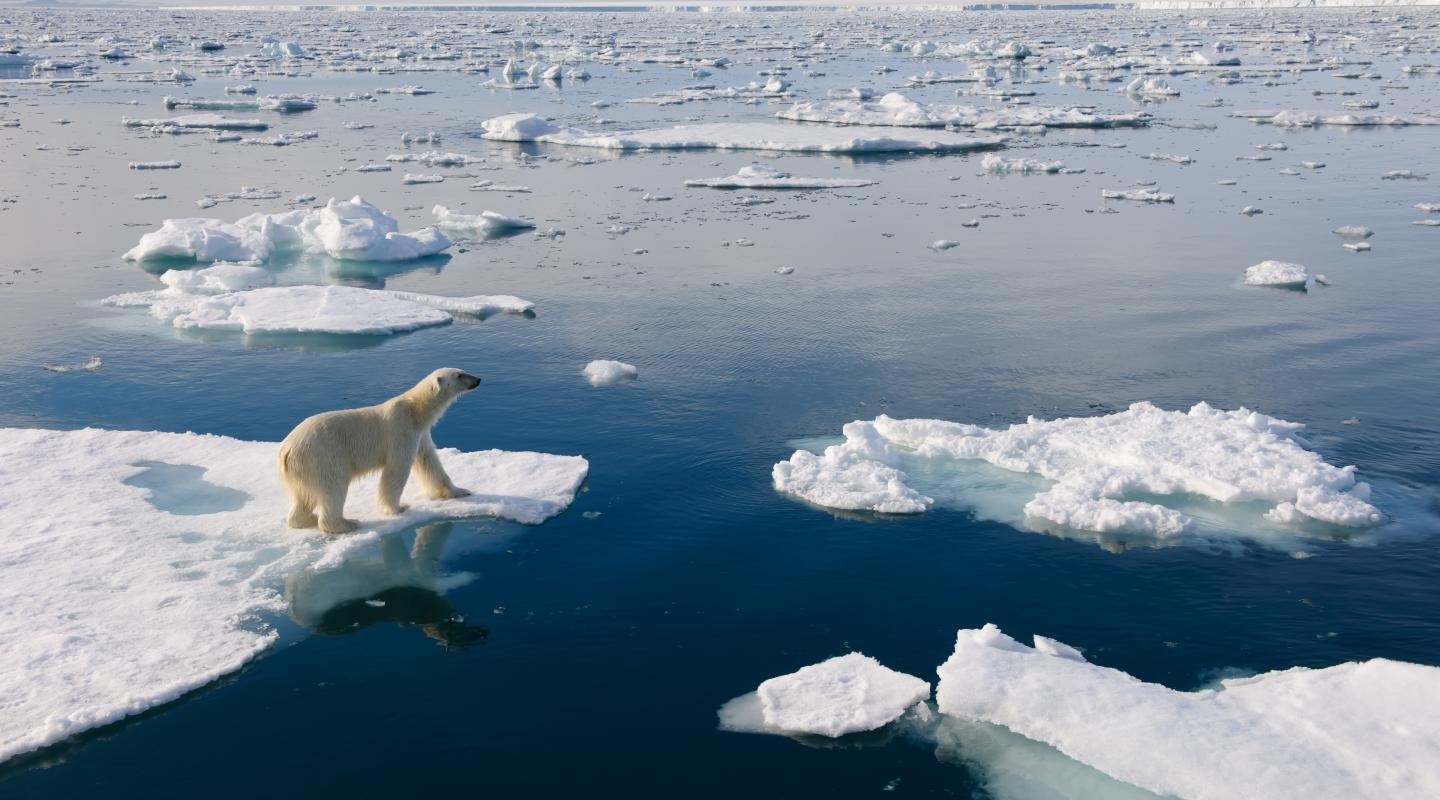
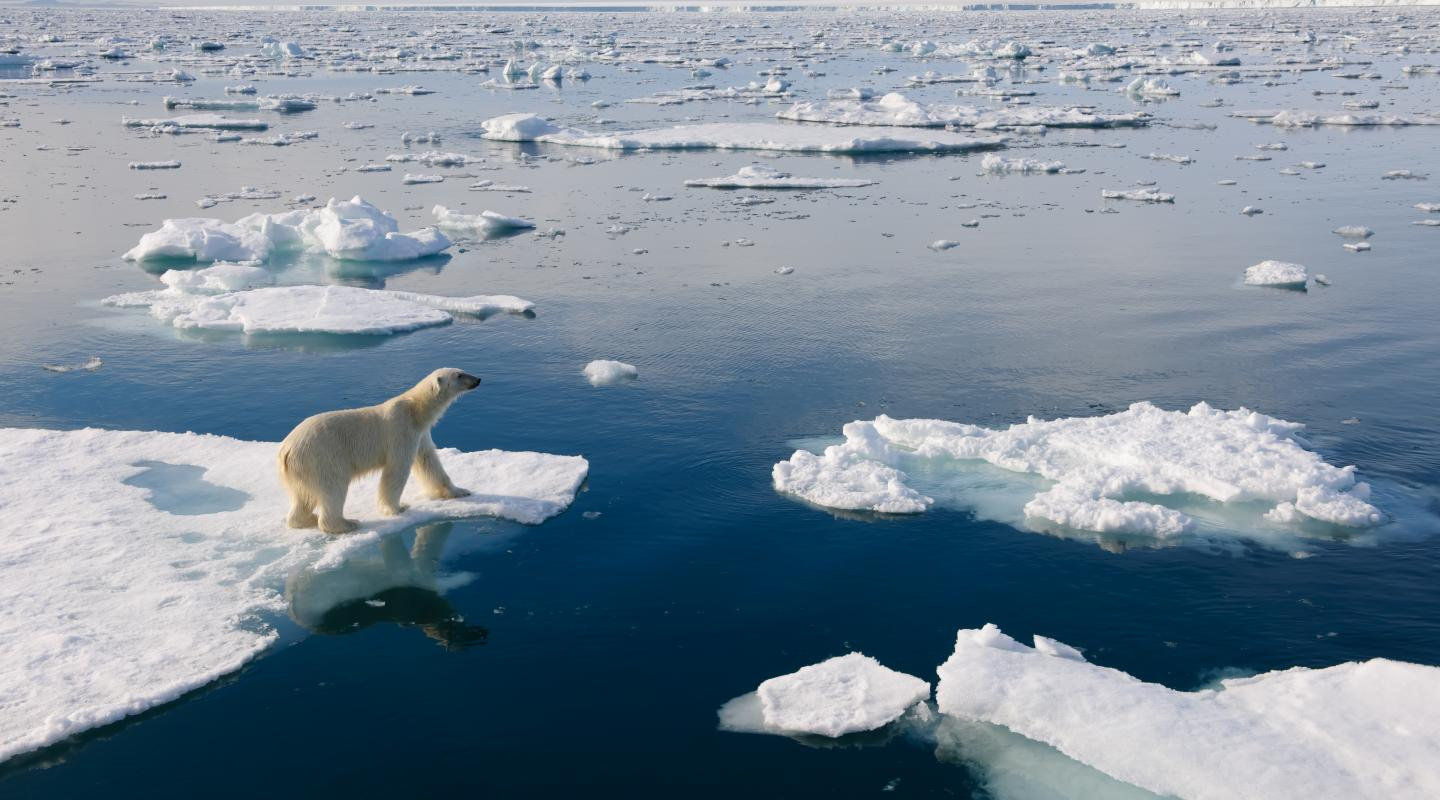 photo: Florian Schulz/visionofthewild.com
1. POLAR BEARS ARE CLASSIFIED AS MARINE MAMMALS
Because they spend most of their lives on the sea ice of the Arctic Ocean depending on the ocean for their food & habitat, polar bears are the only bear species to be considered marine mammals
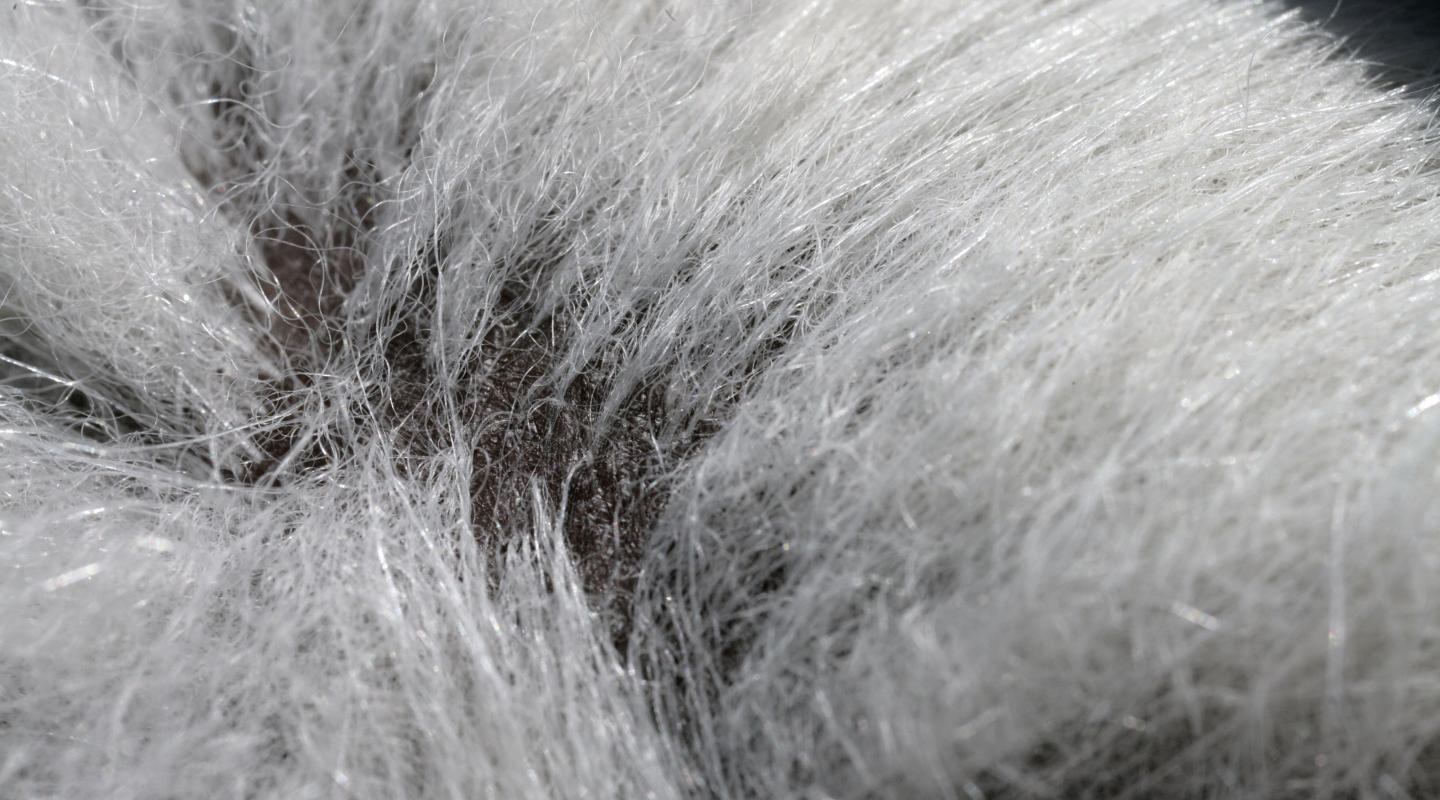 photo Jon Aars/Norwegian Polar Institute/WWF-Canon
2. POLAR BEARS ARE ACTUALLY BLACK, NOT WHITE
Polar bear fur is translucent, and only appears white because it reflects visible light. Beneath all that thick fur, their skin is jet black.
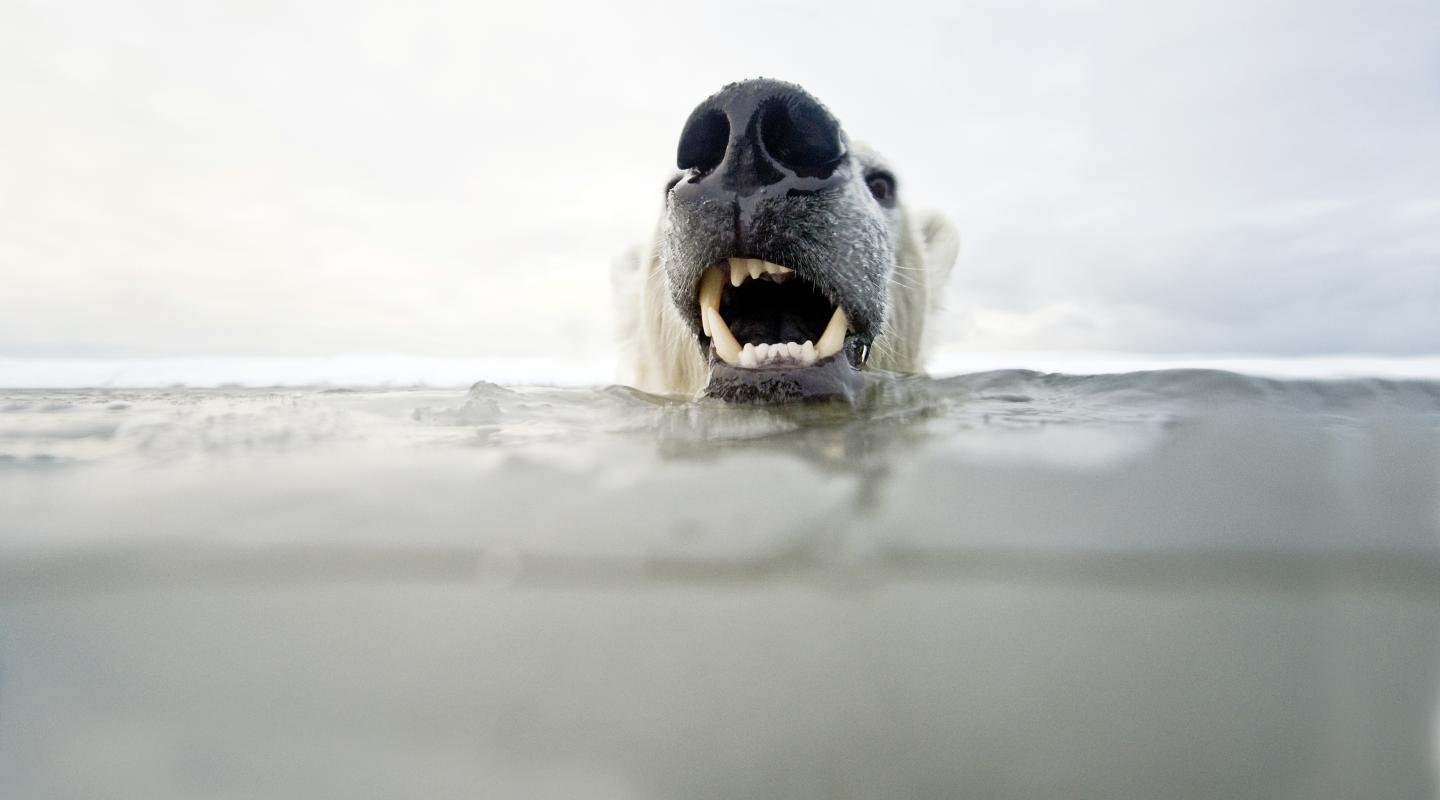 Photo: naturepl.com/Steven Kazlowski/WWF
3. THEY CAN SWIM CONSTANTLY FOR DAYS AT A TIME.
As well as reaching speeds of up to 6mph in the water, polar bears can swim for long distances and steadily for many hours to get from one piece of ice to another.
Their large paws are specially adapted for swimming, which they'll use to paddle through the water while holding their hind legs flat like a rudder.
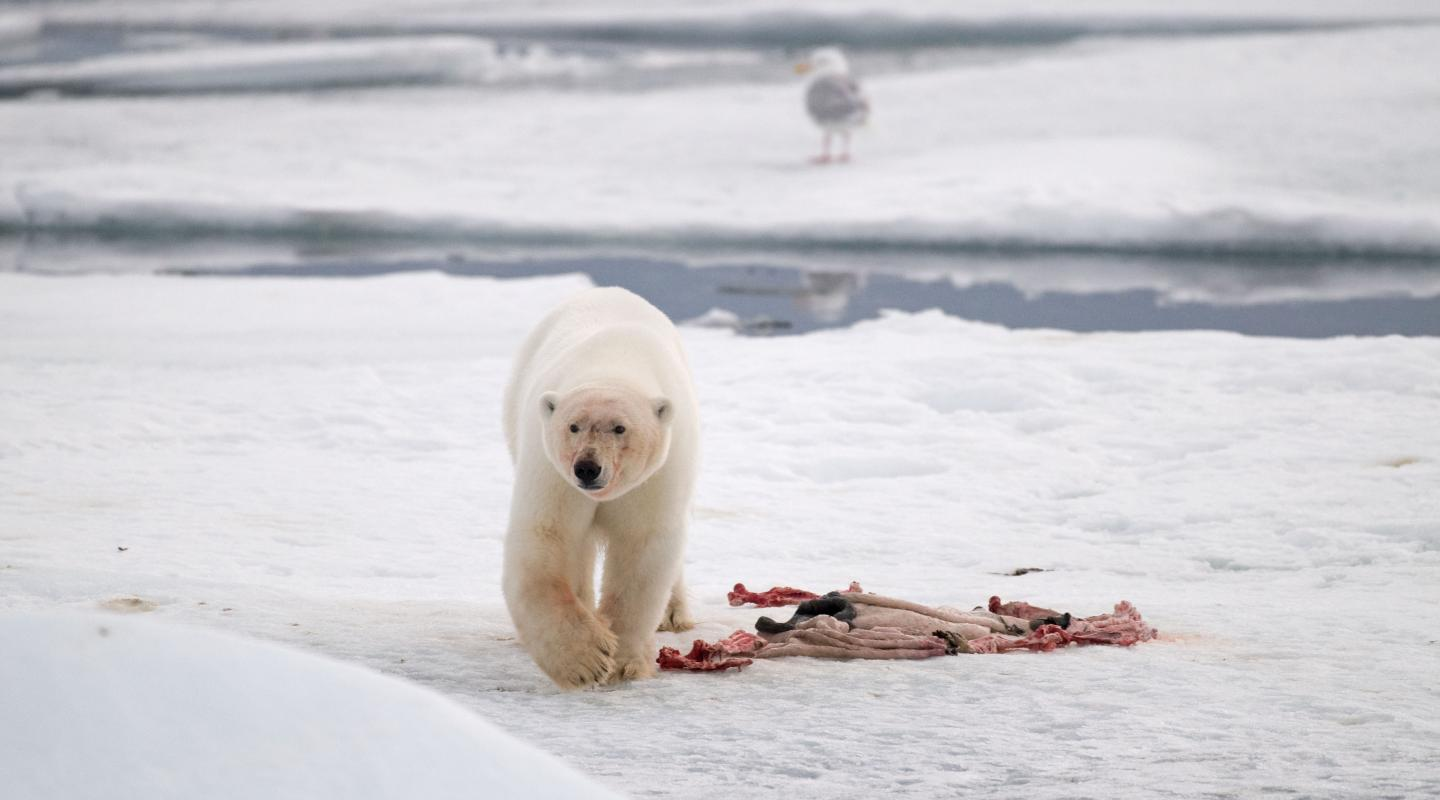 photo: Steve Morello/WWF
4. LESS THAN 2% OF POLAR BEAR HUNTS ARE SUCCESSFUL
Although about half of a polar bear's life is spent hunting for food, their hunts are rarely successful. Polar bears main prey consists of ringed seals and bearded seals,
though they will scavenge carcasses or settle for small mammals, birds, eggs, and vegetation
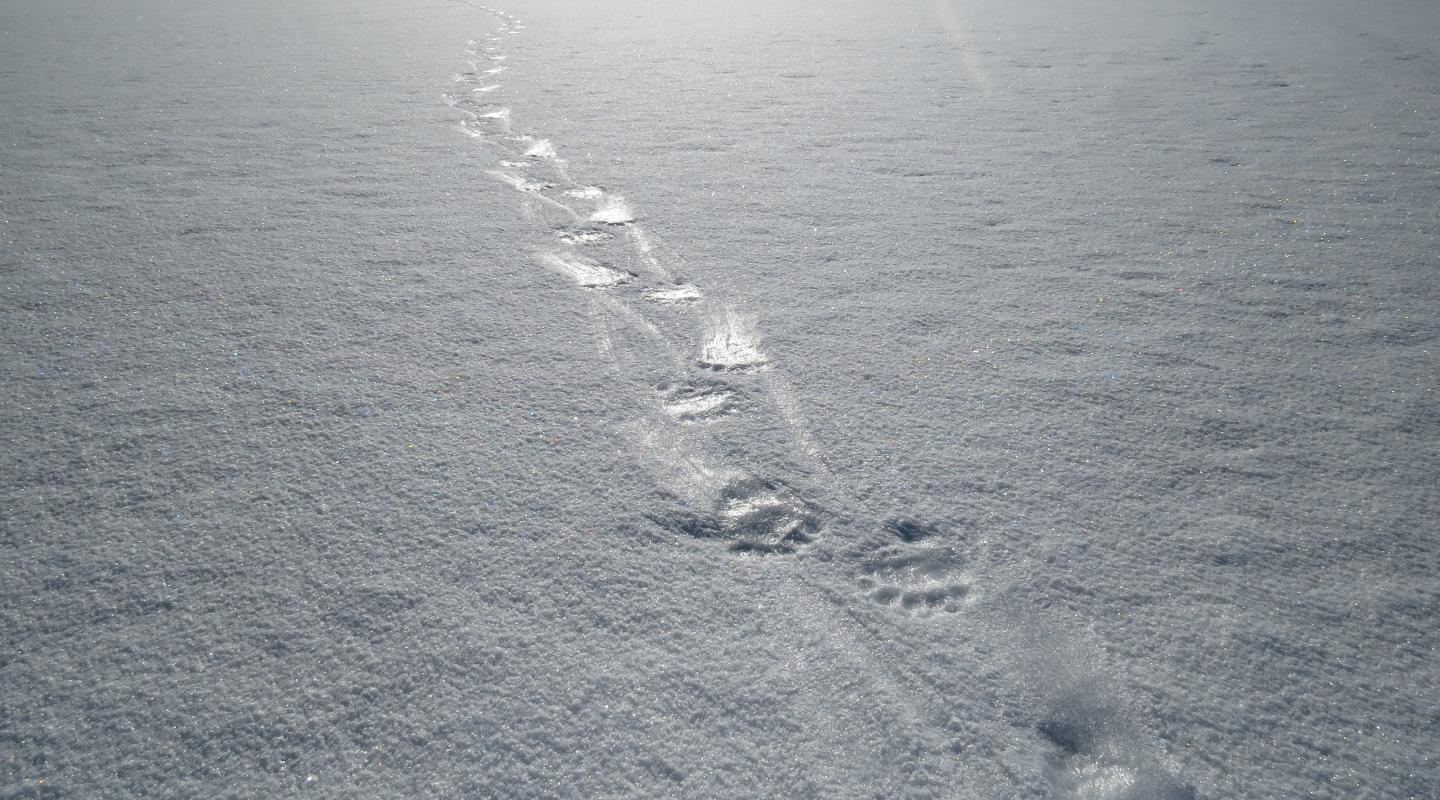 photo: Public Domain
5. SCIENTISTS CAN EXTRACT POLAR BEAR DNA FROM JUST THEIR FOOTPRINTS
an innovative new technique developed by WWF and DNA specialist firm SPYGEN allows scientists to isolate DNA from a polar bear's footprint in the snow.
Two tiny scoops of snow from a polar bear track revealed not just the DNA of the polar bear that made it, but even from a seal, it had recently eaten.
 photo from WWF.org Website
6. THEY FACE MORE THREATS THAN CLIMATE CHANGE
While climate change remains the greatest threat to the polar bear's survival, that is not all that the predator is up against. The oil and gas industry is turning its eyes to the arctic, and with it comes potential risks of habitat destruction from oil exploration work. Contact with oil spills can reduce the insulating effect of a bear's fur requiring them to use more energy to get warm, and can poison them if ingested. Polar bears can also be exposed to toxic chemicals such as pesticides through their prey, which can affect a bear's biological functioning and ability to reproduce.
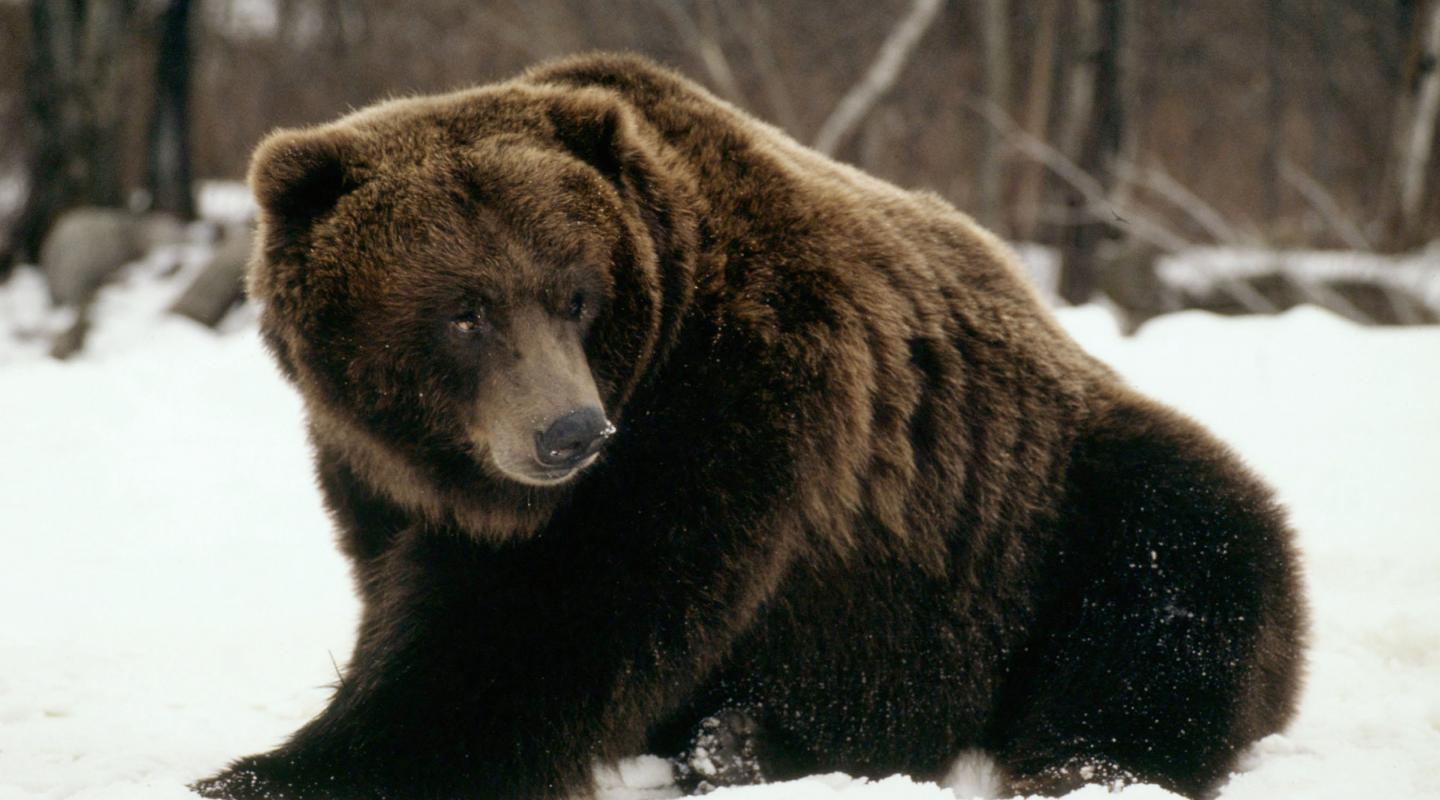 photo: Klein & Hubert/ WWF
7. GRIZZLY-POLAR BEAR HYBRIDS EXIST
As recently as 2006 genetic testing confirmed the existence of polar bear-grizzly bear hybrids, also known as 'grolar bears' or pizzly bears'. The hybrid physically resembles an intermediate between the two species, but as wild hybrids are usually birthed from polar bear mothers they are raised and behave like polar bears. The ability for polar bears and grizzly bears to interbreed is unsurprising when you consider that polar bears evolved from brown bears as recently as 150,000 years ago.
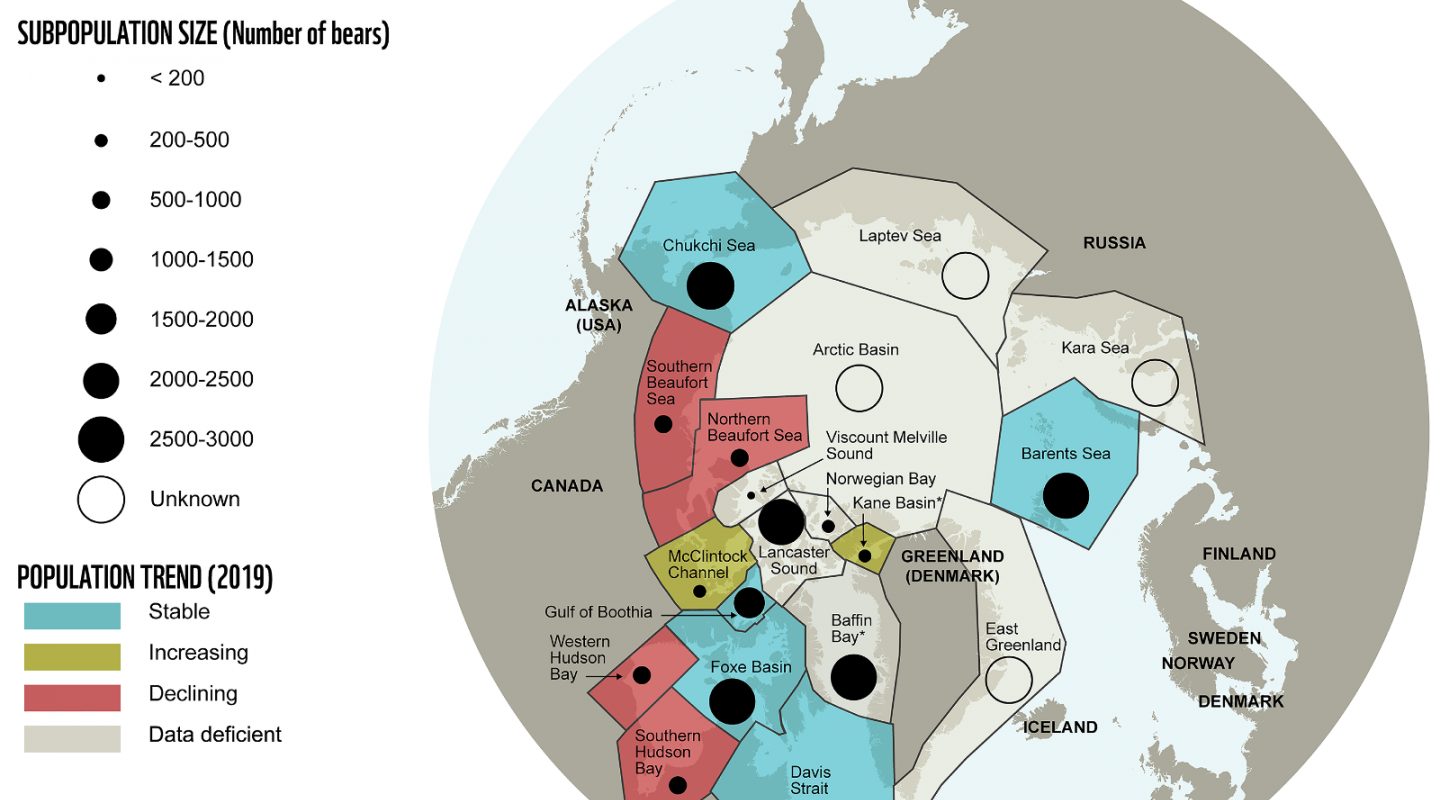 image: WWF-Canada
8. THERE ARE AS MANY AS 19 SUBPOULATIONS OF POLAR BEAR
The total population of approximately 26,000 wild polar bears is divided into 19 units or subpopulations, of these just 1 subpopulation is increasing, 5 are stable and 4 are in decline. The remaining 9 have not been assessed as they are data deficient. - we simply do not have enough information about them to know how they are doing.
 photo: Steve Marello/WWF
9. MALE POLAR BEARS CAN WEIGH AS MUCH AS 10 MEN
Male polar bears can weigh up to 800kg and are twice the size of females. This, in addition to the fact that they can measure up to 3 metres long, making polar bears the largest land carnivore in the world.
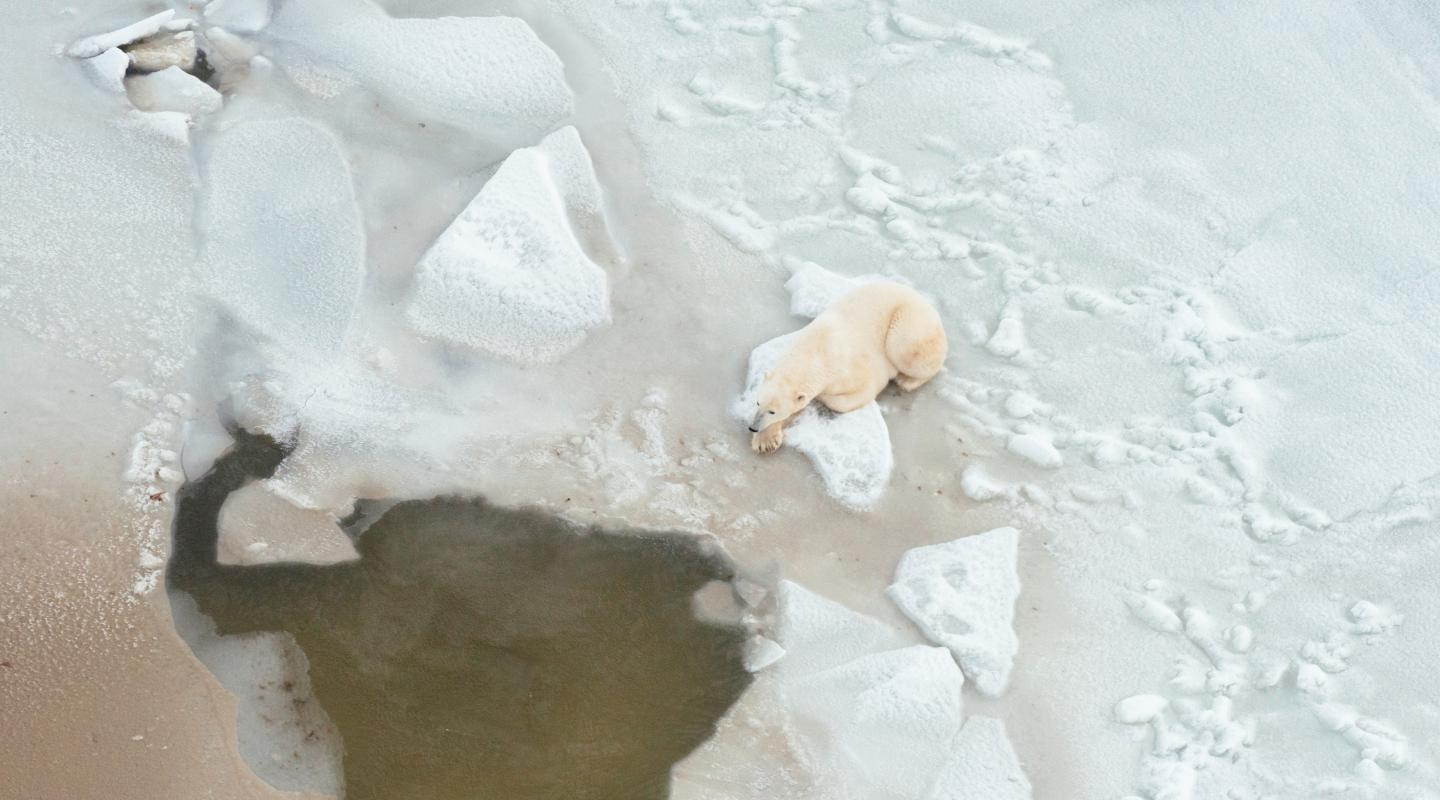 photo WWF-US/Elizabeth Kruger
10 THEY CAN SMELL THEIR PREY UP TO A KILOMETER AWAY
Polar Bears have a very strong sense of smell, which they use to find seal breathing holes in the ice. Once it has found the hole, the bear will wait patiently until the seal comes up for air to attack. They can even detect a seal in the water beneath a metre of compacted snow.
PLEASE ADOPT A POLAR BEAR AT support.wwf.org.uk
Other cool facts about Polar Bears:
They can overheat when in running in the summer and when temperatures rise above freezing.
The clean themselves by rolling in snow.
They can reach speeds of up to 25 mph on land and swim 6mph.
They can live up to 30 years
A female polar bear will have an average of 5 litters of cubs her lifetime
SAFARI TRIPS TO SEE POLAR BEARS!
Polar Bear Mother and Newborn Cubs – March
Spring Polar Bears of Baffin – March & April
Narwhal and Polar Bear Safari – May & June
Polar Bears and Glaciers of Baffin Island – August
Polar Bear Migration Fly-In Photo Safari – October & November
Polar bears communicate through body language, vocalizations, and scent markings:
Head wagging from side to side: A sign that polar bears want to play. Adult bears initiate play—which is actually ritualized fighting or mock battling—by standing on their hind legs, chin lowered to their chests, with front paws hanging by their sides.
Nose-to-nose greetings: How a bear asks another bear for something, such as food. The guest bear will approach slowly, circle around a carcass, then meekly touch the feeding bear's nose.
Chuffing: A vocal response to stress, often heard when a mother bear is worried for her cubs' safety.
Scolding: Mother bears scold cubs with a low growl or soft cuff.
Rushing: When a male approaches a female with cubs, she rushes toward him with her head lowered.
Hissing, snorting, lowered head: Signifies aggression.
Loud roars or growls: Communicates anger.
Deep growls: Signifies a warning, perhaps in defense of food.
Charging forward, with head down and ears laid back: Attack mode.
Moving downwind of dominant bears: Signifies submission.
TO KEEP UP TO DATE ON POLAR BEARS WE RECOMMEND YOU BOOKMARK:
https://polarbearsinternational.org/
Tourism is a recreational travel that people do, Uganda has
been one of the African countries that has attracted prominent number of
tourists from different parts of the world. Uganda the pearl of Africa is one
of the fastest growing economies in Africa, there are so many building blocks
of this economy but one of the vital one that she is proud of is her tourist
attraction that she exhibits to tourists, with a lot of nature, culture and
amusement to offer. A tree did not start as a tree it started as a seedling
sown in the soil and because of the rich nutrient of the soil and care given to
it, it turned it into a tree, there are companies that have thrived and are
still pushing hard to strengthen the tourism industry in Uganda. One of them is
Interior safaris East Africa, one of the veins of the heart of Uganda tourism.
Uganda
has one of the best climates in Africa and in the whole world, this has maintained her tourist
attractions which has made it possible for tourism to occur. One of Uganda’s
tourist attractions are national parks, Uganda has numerous national parks like
Murchison Falls National Park often known as Kabalega mostly visited by
tourists because of its natural beauty, it’s located in the northern region of
Uganda it is 1,344 square miles large this makes it the largest wildlife
reserve. Queen Elizabeth National
Park which is 1,978 square kilometers in size and Lake Mburo National Park etc.
Uganda also has unique eye-catching features in the national parks like trees,
different species of birds and mountain gorillas. Interesting and enjoyable
activities at your view from different parts of the parks which includes
birding, chimpanzee tracking, cultural visits like meeting pygmies from Batwa
who were the first inhabitant of montane rainforest, hot air balloon safaris
and boat cruise. Due to the magnificent hospitality that Ugandans give tourists,
has increased their interest in touring the country because they make them feel
at home. All national parks in Uganda have lodges and hotels at different
points of the national parks which provide the tourists with good care, great
meals and fancy accommodation. When it comes to the longest river in the world
don’t look farther because it’s here in Uganda as well as mount Elgon, these
are places tourists won’t stop talking about because they are enticing and rich
in nature.
Life
has been made easy in case you would love to tour Uganda; with the help of
Interior Safaris East Africa you can be anywhere you want to be. Interior
safaris East Africa has been in the center of the tourism industry in Uganda,
it was founded by Elasmus Godfrey Tumwesigye in 2013. It has its head office in
Uganda. Interior safaris East Africa cares so much about their customers to the
extent that we have Agents in Europe for tourists interested in bare a peek of
the pear of Africa and the great lakes at large. Interior Safaris East Africa is surely the
right package deal to take you around Uganda, Rwanda and Tanzania because it
comes With lots of surprises from their services, Interior Safaris East Africa
gives the best to its customers, and that’s why before tourists decide on the
place they would love to visit they first speak to a tour consultant from Interior
Safaris East Africa who will later give them advice about the package that will
fit in their budget that they will be comfortable with.
Connect now to be in a
place enriched with nature.