The ongoing coronavirus pandemic is a direct consequence of
our broken relationship with nature. Scientists have long been warning us that
humanity’s destruction of nature, left unchecked, will result in the spread of
deadly diseases, droughts, famines and other disasters. For decades, amid the
hustle and bustle of our daily lives, these warnings fell on deaf ears. But we
no longer have the luxury to ignore the deep interconnection between human
health and nature. The continuous loss of habitats and biodiversity is threatening
the existence of all living beings, including us.
This is where conservation comes into play. Conservation is
the strongest weapon we have to protect the planet we call home. But while
conservation is crucial for our survival, its importance is not being
communicated to masses in an efficient way, especially where it matters the
most in the world. interiorsafarisea.com
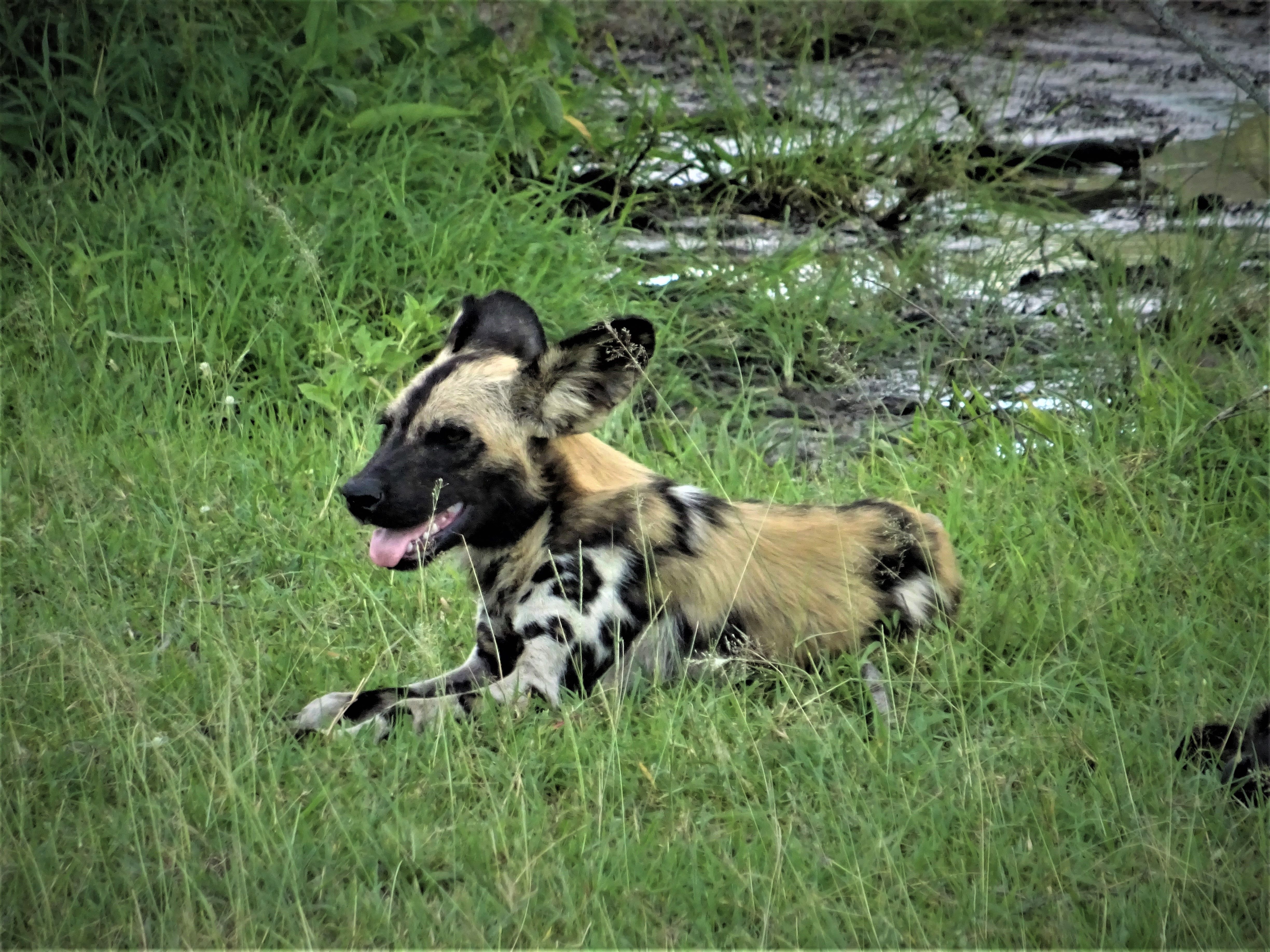
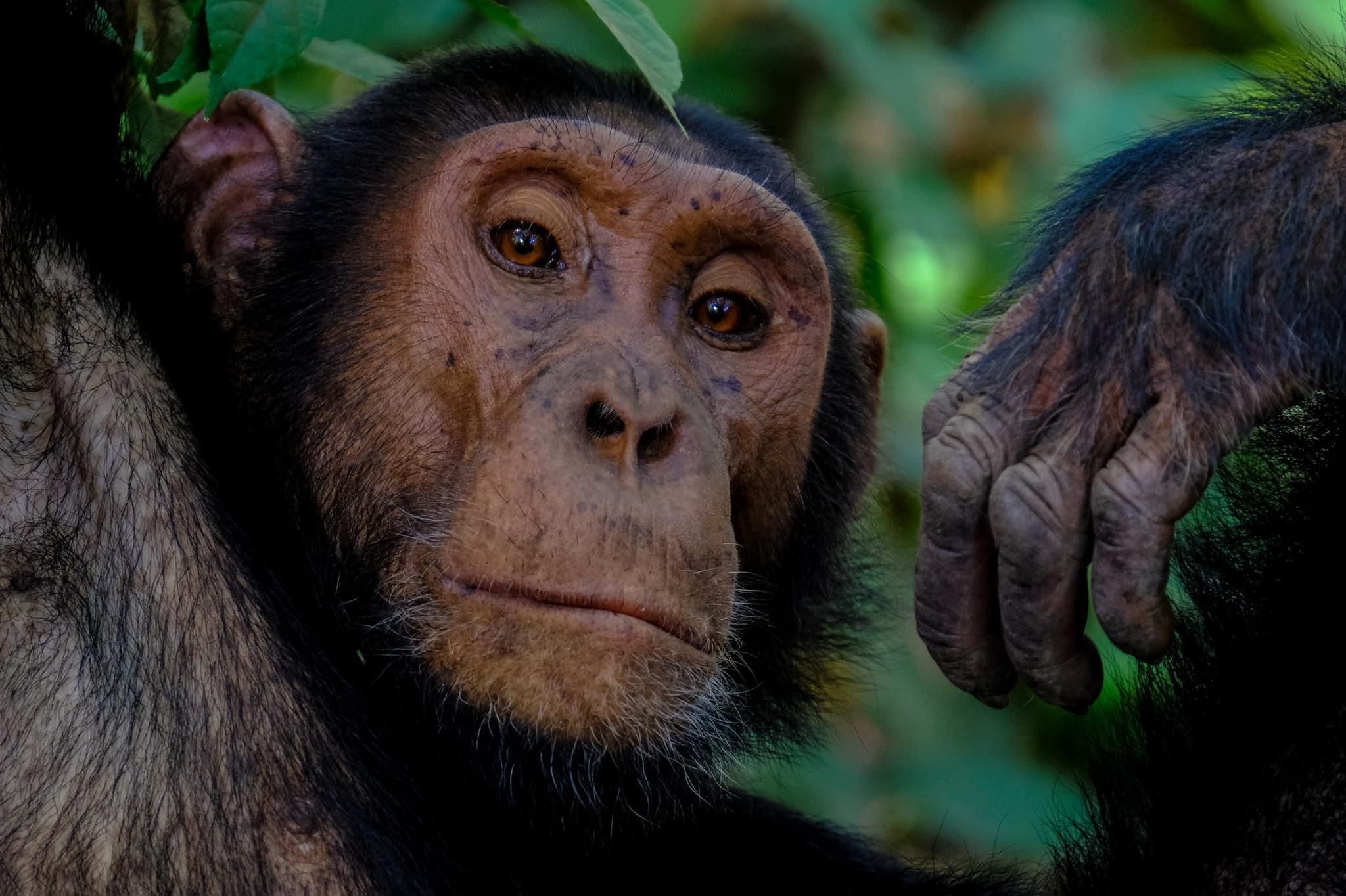 On my today’s thoughts i will talking about Africa in relation to conservation. Well In Africa, the conservation story has long been told from an external perspective, the perspective of science, and the West. The African people , cultures, heritage, knowledge and aspirations have only been a small part of the conversation, an afterthought. Together with mojo live streaming, We need to change this, and reclaim our role in the fight to save the planet and the future of Animals and humans.
Africa’s human population is expected to double by 2050.
That would be approximately 2.5 billion people, meaning more than a quarter of the world’s people will be in Africa. And almost 70 percent of Africans will be under the age of 40. This will undoubtedly add to the momentum of the continent’s development.
But on the other hand, nature is already being destroyed at unprecedented rates in Africa in the name of development. The way we produce and consume food and energy, coupled with the blatant disregard for the environment entrenched in our economic system, have already brought the natural world of the continent to a breaking point. A rapid increase in population is likely to speed up this destruction.
However, together with mojo live streaming, it is still possible to build a future in which the continent’s biodiversity is protected, under which its people are fed, industries are running, and its economies are sustainable and prosperous.
To achieve this, we need to make conservation a primary concern for all Africans and the rest of the world And perhaps more importantly,
we (AFRICANS) need to realise that we are not the only Africans. For me it would be arrogant for us to think that other species sharing this continent with us should pay the price for our development.
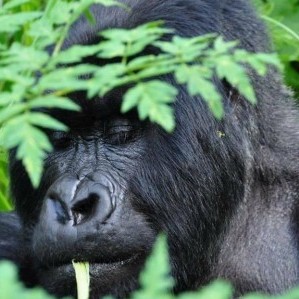
Mountain Gorillas,Giraffes, for example, are only found in Africa, and therefore, they are as African as we are. They have a right to exist as much as we do. And their survival is tied to our survival.
To be continued in my next episode……
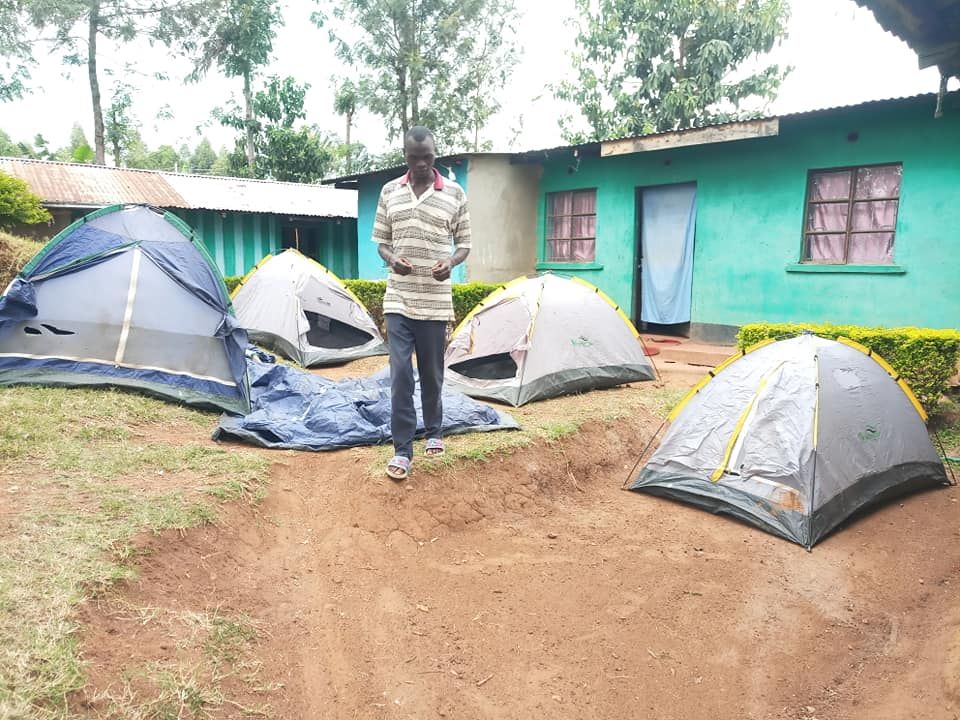
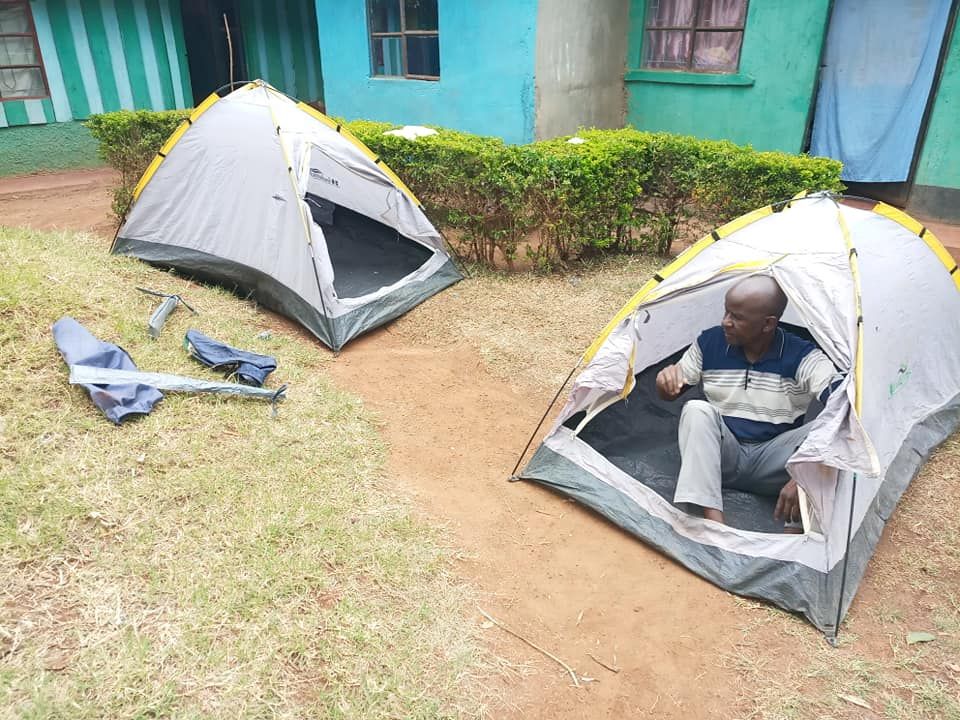
Toronto, April 4th 2004 – Toronto based MojoStreaming, a leading platform for impactful storytelling and urgent wildlife issues, today draws international attention to a critical wildlife conservation
emergency unfolding in South Africa. Within the next week, an innocent herd of
40 elephants, including vulnerable calves, faces the threat of imminent
slaughter unless immediate intervention occurs. This potential tragedy
highlights the broader, ongoing crisis of elephant culling practices in Africa,
threatening the survival of these majestic creatures classified as endangered
species.
In an urgent cry for help and to spark a global
public awareness campaign, MojoStreaming urges individuals, organizations, and
governments worldwide to take immediate action to prevent the senseless killing
of these 40 elephants from the Mawana Game reserve in Northern Natal. This
situation is not isolated; it symbolizes a much larger emergency affecting
thousands of elephants across the continent, where culling has become a
contentious method of population control.
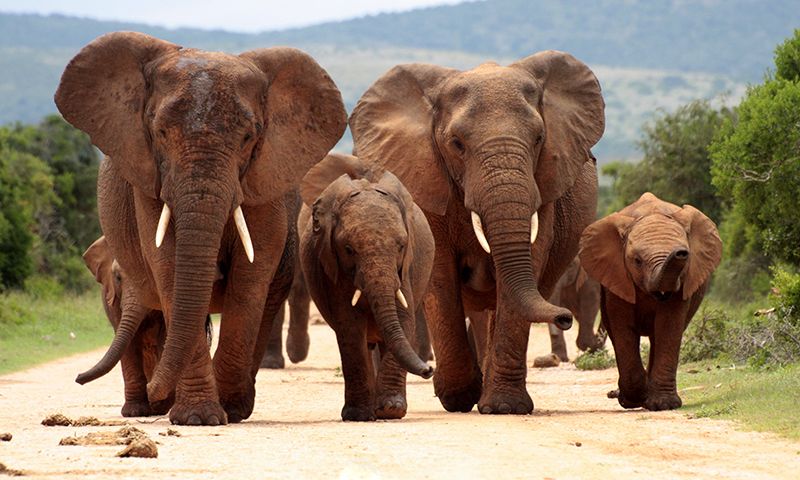
Elephants, known for their intelligence, complex
social structures, and significant ecological impact, are increasingly finding
themselves in conflict with human interests. While the challenges of
cohabitation between humans and elephants in areas of dense population are
acknowledged, MojoStreaming emphasizes that culling is not the answer.
There are humane and effective alternatives to
managing elephant populations that do not involve slaughter, such as
translocation and the creation of wildlife corridors to allow safe migration.
MojoStreaming calls on its global audience,
conservationists, policymakers, and the international community to rally
together in defense of these 40 elephants and the thousands more at risk. This
is a pivotal moment to advocate for sustainable wildlife management practices
that respect the intrinsic value of all life forms and ensure the survival of
one of the planet's most iconic species.
As part of this urgent awareness campaign, MojoStreaming
will be hosting a series of special programming, interviews with wildlife
experts and all stakeholders in the Mawana saga, as well as exclusive content
focusing on the plight of Africa's elephants and the conservation efforts
underway to protect them. Viewers will gain insight into the complex issues
surrounding elephant conservation and learn how they can contribute to making a
difference.
The imminent threat to these 40 elephants is a
wake-up call to the world about the broader crisis facing Africa's elephant
populations. It's time for a collective, global response to end the senseless
culling of endangered species and to work together towards solutions that allow
humans and wildlife to coexist in harmony.
For more information on how you can help and to
learn more about the conservation efforts, please visit www.mojostreaming.com.
MojoStreaming President Bernard van Speyk is
initiating an effort to bring all the Mawana interest groups together to hammer
out a solution where community safety issues are implemented firstly, and then
alternative non-lethal methods are used to assist the well being of the herd.
Together, we can make a difference. Together, we
can save these elephants from slaughter and work towards a future where human
actions contribute to the preservation, not the destruction, of our planet's
wildlife.
About MojoStreaming
MojoStreaming is a global platform dedicated to
bringing the world's most pressing social, environmental, and political issues
to the forefront through powerful storytelling and documentary filmmaking.
Committed to making a difference, MojoStreaming provides a voice to the
voiceless and shines a light on the stories that matter.
For more information, contact:
Bernard Van Speyk
Founder & President
MojoStreaming Ltd.
[Contact Information]
bernard@mojostreaming.com
+1 416 788 0144