The Dark Reality: How The United States Is Enabling Wildlife Crime
The United States has long been a key player in the global illicit wildlife trade, with American consumers being some of the biggest buyers of illegal wildlife products in the world. Many of these products are sourced from countries where wildlife crime is rampant and where environmental protections are weak or nonexistent.
In recent years, the United States has been working to crack down on the importation of illegal wildlife products. However, it has been slow to enact legislation that would effectively address the demand side of the equation. Until the United States takes action to reduce demand, it will continue to enable wildlife crime.
Many people may not realize that the United States is one of the largest demand markets for ivory and other illegal wildlife products. A recent study found that 80 percent of Americans consider themselves animal lovers and support wildlife conservation measures. At the same time, however, it found 80 percent of Americans aren’t aware of the illegal wildlife trade in their own country.
The United States is contributing to the decline of endangered species
The United States is contributing to the decline of endangered species in many ways. Here are four key ways the United States is doing this:
1. Laws and Regulations – The United States does not have any federal laws banning the sale of illegal wildlife products. This lack of legislation has resulted in the flourishing of the illegal wildlife trade in the United States.
2. Demand – The United States has one of the most voracious appetites for illegal wildlife products, contributing to the demand side of the equation.
3. Port Security – Poor port security in the United States allows for illegal wildlife products to be smuggled in, as well as exported.
4 Private Companies – How are they Contributing to Wildlife Crime?
Private companies are playing a major role in the illegal wildlife trade. Here are a few ways that they are contributing:
1. Promotion of Wildlife Products – Private companies are profiting from the promotion of illegal wildlife products. This may include the sale of ivory, clothing made from skin of protected animals, or furs.
2. Money Laundering – Private companies are making money and hiding their profits in various ways. This includes tax evasion, the misuse of donor funds, bribery and other forms of corruption, and money laundering.
3. Poor Security – Private companies often lack proper security measures that can help to protect against the illegal wildlife trade. This can include not properly tracking shipments and shipments, or not following up on cases of suspected smuggling.
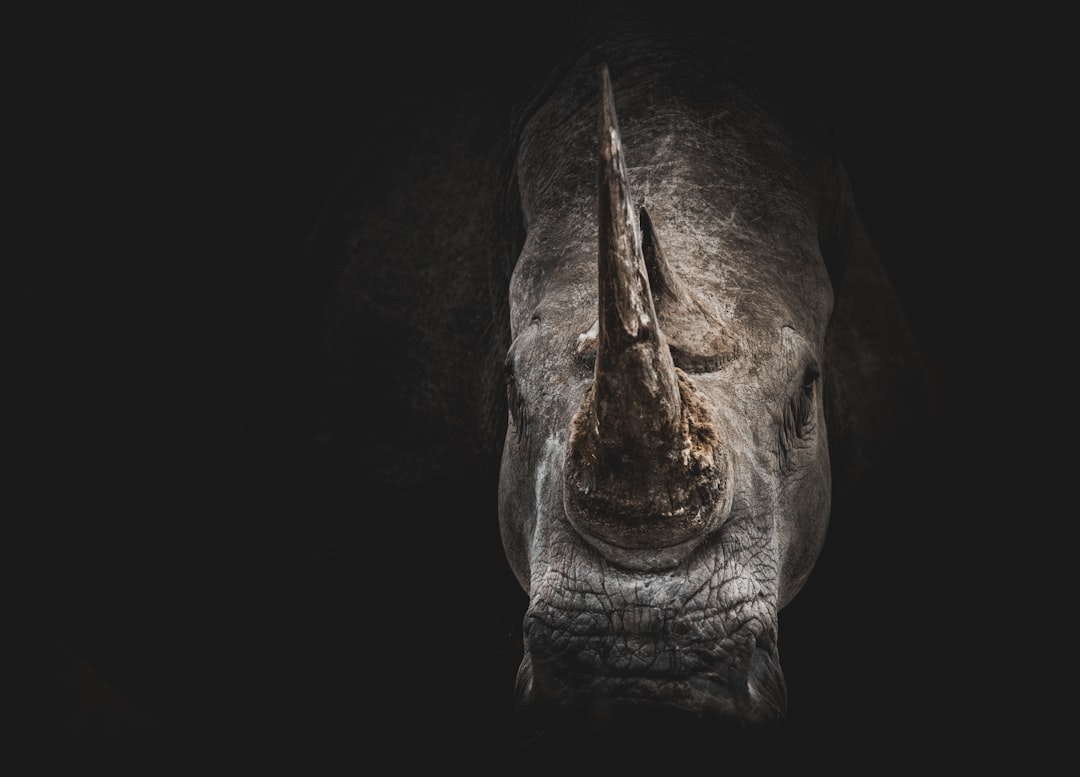
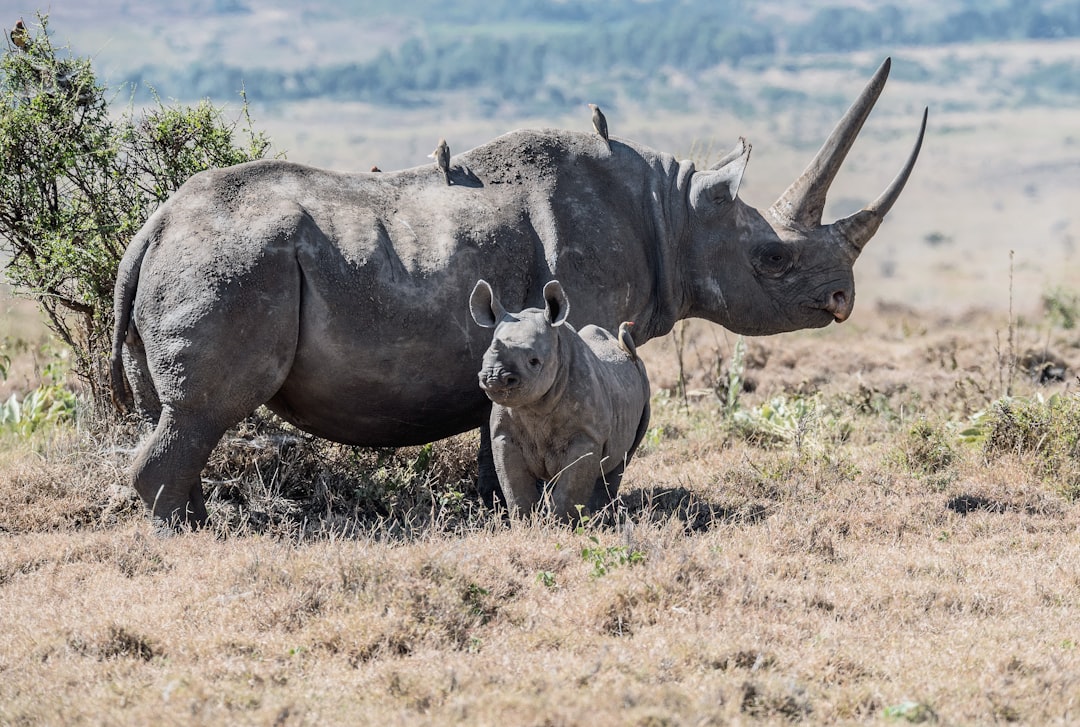
4. Lax Regulations – Private companies are operating in countries that often have weak or nonexistent laws concerning the illegal wildlife trade. This leaves them vulnerable to exploitation by criminals. This lack of regulation leads to increased profits for the criminals who are smuggling items such as ivory, rhino horn, and pangolin scales.
and lastly
Hunting – Hunting is legal in the United States and can be done without a license in some cases. While it is possible to legally hunt in the United States, many illegal sources of wildlife products are being generated through unethical hunting practices.
I would have to estimate that 90% of people are not aware of torturing/killing animals for no reason other than for fun and prizes, and it is legal in the United States. What organization do you think supports such activity? If you guessed the NRA then you guessed correctly. Prizes consist of guns, money, and Trophy Hunting trips.
To learn about this dirty activity that is going on under your nose - watch this:
The United States is actively contributing to the decline of endangered species across the world. This is due to the fact that wildlife trafficking is often associated with transnational organized crime and international terrorist networks.
The US is actively contributing to the decline of endangered species across the world mainly due to the fact that wildlife trafficking is often associated with transnational organized crime and international terrorist networks. Wildlife trafficking has become a multi-billion dollar industry, and the US has had a hand in it.
The US has failed to address the legal aspects of wildlife trafficking for many years, which in turn has allowed for the growth of illicit wildlife trade to continue. This has opened the door for other countries to progress, as countries such as China, Vietnam, and Thailand have seen an increase in the illicit trade of various animal species.
In addition to this, the US government has done very little to promote education and better understanding of the atrocities that wildlife trafficking has in the world. This lack of education has lead to the US public being reliant on information derived from the media that is often biased, incomplete, or does not have a critical understanding of the underlying issues.
As a result, the US population is largely unaware of the dangers of wildlife trafficking, how it impacts biodiversity, and how US policies are enabling it to occur. It is imperative that the US government takes a more proactive approach to curbing wildlife trafficking and educating the population on the issue, as this will ensure that future generations do not have to bear the burden of the current decline in endangered species.
How the U.S. can Combat Wildlife Crime
The US government can take an active role in combating wildlife crime. There are a few steps that the government can take to ensure the protection and conservation of endangered species and the environment at large.
First, the US government should increase its resources and efforts to combat wildlife trafficking. This can be done by increasing the resources for agencies like the US Fish and Wildlife Service, National Marine Fisheries Service, and the US Department of Agriculture. The additional resources could be used to increase enforcement of wildlife protection laws, increase monitoring and regulation of US imports, and build partnerships with other countries to ensure that US imports are not involved in wildlife trafficking.
Second, the US can increase public awareness of wildlife trafficking and its impacts. This can be done through campaigns in schools, parks, and public media. The government can also incentivize partnerships with wildlife conservation organizations and research universities to educate the public on the issue.
Finally, the US should promote collaboration with other countries to ensure that wildlife trafficking is addressed globally. This would involve participating in and leading international efforts to combat the global wildlife trade.
By taking these steps, the US can combat wildlife crime, protect endangered species, and help ensure the health of the environment for future generations.
The wildlife traffickers are linked to the illegal pet trade, poaching of iconic species, and illegal logging. The United States government is aware of this and has taken steps to address the issue on a global scale.
The US government has taken a few steps to curb this illegal activity because of the devastating impact that it has on local wildlife populations and ecosystems.
First, they have increased resources to fund agencies like The US Fish and Wildlife Service, and the US Department of Agriculture. This ensures that these organizations have the resources they need to take action and implement tougher regulations but it does not seem to be working.
Second, they have increased public awareness of the issues surrounding wildlife crime and the impacts it has on endangered species and the environment. This can be done through education campaigns in schools, parks and public media which can help to create greater public understanding of the issue. Remember 80% of the people are still unaware so their attempts to educate are failing. We must do more and I ask you to subscribe to MojoStreaming to join our community of wildlife protectors
or scan:
Third, the US government has taken an active role in international collaboration, leading and participating in efforts to combat global wildlife trade. By working with countries around the world, the US is ensuring that this issue is taken seriously and is being addressed on a global scale.
BWE MUST:
Enforce Stricter Penalties for Wildlife Traffickers
The US government is taking steps to enact stricter penalties for wildlife trafficking; however, more needs to be done. Currently, the penalties for wildlife trafficking are not severe enough to discourage those involved in this activity from continuing to do so.
Heavier penalties are needed in order to create an effective deterrent and financial disincentive for these activities. By increasing the penalties and ensuring that they are enforced, the US will send a signal to those who have been engaging in these activities that they will pay a heavy price for their actions.
In addition to tougher penalties, it is important that those involved in wildlife trafficking be held accountable and that their activities be made public. This will create a stigma around the issue and will discourage others from involving themselves in illegal activities.
Finally, the US needs to strengthen its collaboration and international partnerships in order to fight wildlife crime on a global scale. By working with other governments and organizations, the US will not only be able to strengthen its efforts for tackling this issue but also gain valuable intelligence that can be used to prevent these activities from taking place.
By taking all these steps, the US will be able to create a stronger legal framework and raise awareness about the detrimental impacts of wildlife trafficking, ultimately creating a safer environment for endangered species and their habitats.
How Are U.S. Laws Contributing To Wildlife Crime?
The U.S. has several laws that contribute to the wildlife crime crisis. The U.S. Endangered Species Act (ESA), originally passed in 1973 and amended in 1988, prohibits the trade of protected species, including their parts and products. However, the regulations in the ESA are often outdated and not comprehensive enough to prevent the trafficking of endangered and at-risk species.
The Marine Mammal Protection Act (MMPA) also plays a role in the illegal wildlife trade. It prohibits interactions between humans and marine mammals without a permit, such as capturing, selling, or buying dolphins or whales. The MMPA forbids the trading of marine mammals in the U.S., but it does not apply to the import of marine mammal products from other countries.
The Lacey Act, in force since 1901, is another law that is aimed at combating wildlife trafficking. It prohibits the import, export, and transport of protected wildlife species and requires businesses to accurately label their products. Unfortunately, this label must reference a government-approved system, which is sometimes very difficult to obtain.
Despite the myriad of regulations, criminals continue to exploit flaws in regulations in order to facilitate wildlife crime.
The U.S. needs to strengthen its current laws and create more stringent regulations in order to better protect endangered wildlife and their habitats.
There is no denying that the United States is a major player in the global wildlife trade and its role shouldn't be underestimated. According to a 2019 report from the World Wildlife Fund, the United States is one of the largest consumers of wildlife products globally, accounting for 10% of the global trade in live animals.
The United States is also a major supplier of illegal wildlife products. The United States is a major source of illegal ivory, as well as a major exporter of live animals, including parrots, reptiles, and primates. The U.S. is also a major importer of exotic pet species, such as tortoises and snakes.
On Nov. 2, 2022, Savannah Nicole Valdez, 20, from Katy, Texas, pleaded guilty to smuggling a spider monkey into the United States without first declaring and invoicing it and fleeing an immigration checkpoint.
On July 12, 2022, Herdade Lokua, 34, and Jospin Mujangi, 32, of Kinshasa, Democratic Republic of Congo (DRC), each plead guilty in federal court in Seattle, WA to conspiracy, and Lacey Act violations for trafficking elephant ivory and white rhinoceros horn from DRC to Seattle.
Immediately after the arrests, the task force in DRC acted on information provided by HSI Seattle to make additional arrests and seize 2,067 pounds of ivory and 75 pounds of pangolin scales in Kinshasa. The DRC placed the value of the wildlife trafficking contraband at approximately $3.5 million.
On January 25, 2021, a federal judge sentenced a Dallas business owner to pay a $2,000 fine and to complete a 1-year term of probation. The owner pleaded guilty to violating the Migratory Bird Treaty Act (MBTA).
You read correctly $2,000 fine and probation. If you look up records you will find people are fined a few thousand and may spend up to 3 years in jail for something that was earning them hundreds of thousands of dollars! Basically, a slap on the hand! We need strict laws for these criminals.
What you should take from this:
Wildlife crime is big business
Wildlife crime is a serious and growing global problem. Each year, millions of animals are illegally traded for their meat, skin, and body parts. This illicit trade is worth billions of dollars and it is having a devastating impact on wildlife populations around the world.
What many people don’t realize is that the United States is one of the largest markets for illegal wildlife products. In fact, the United States is the second-largest market for illegal ivory after China. Wildlife crime is a big business, and it is being enabled by the United States.
https://unsplash.com/@gerandeklerk
https://unsplash.com/@davidclode Note part of this article was generated with IA if you notice false information please message me.
By coming together and implementing a multi-pronged approach to combating wildlife crime, we can make a major impact in protecting wildlife around the world.
MojoStreaming is a network where advocacy meets entertainment. A channel dedicated to wildlife, our planet, and the concerns of our environment. Our vision is to rejuvenate the love for wildlife through inspiration, creativity, and compassion. Our Mission is to ignite empathy for animals through mesmerizing and entertaining content while educating the world about the importance of wildlife The goal is to become the voice of thousands of species and motivate our audience to support and safeguard wildlife and the environment through our content. It is a site like no other, from educational wildlife programming to live streaming in sanctuaries around the world to our news/political channel that will keep you current on today's issues we are facing. We invite you to be a part of our family and by working together we can make a difference.
NEXT WEEK WE WILL FOCUS ONLY ON WILDLIFE CONTESTS - THE SLAUGHTERING OF ANIMALS IN THE UNITED STATES FOR FUN AND PRIZES.


.png)

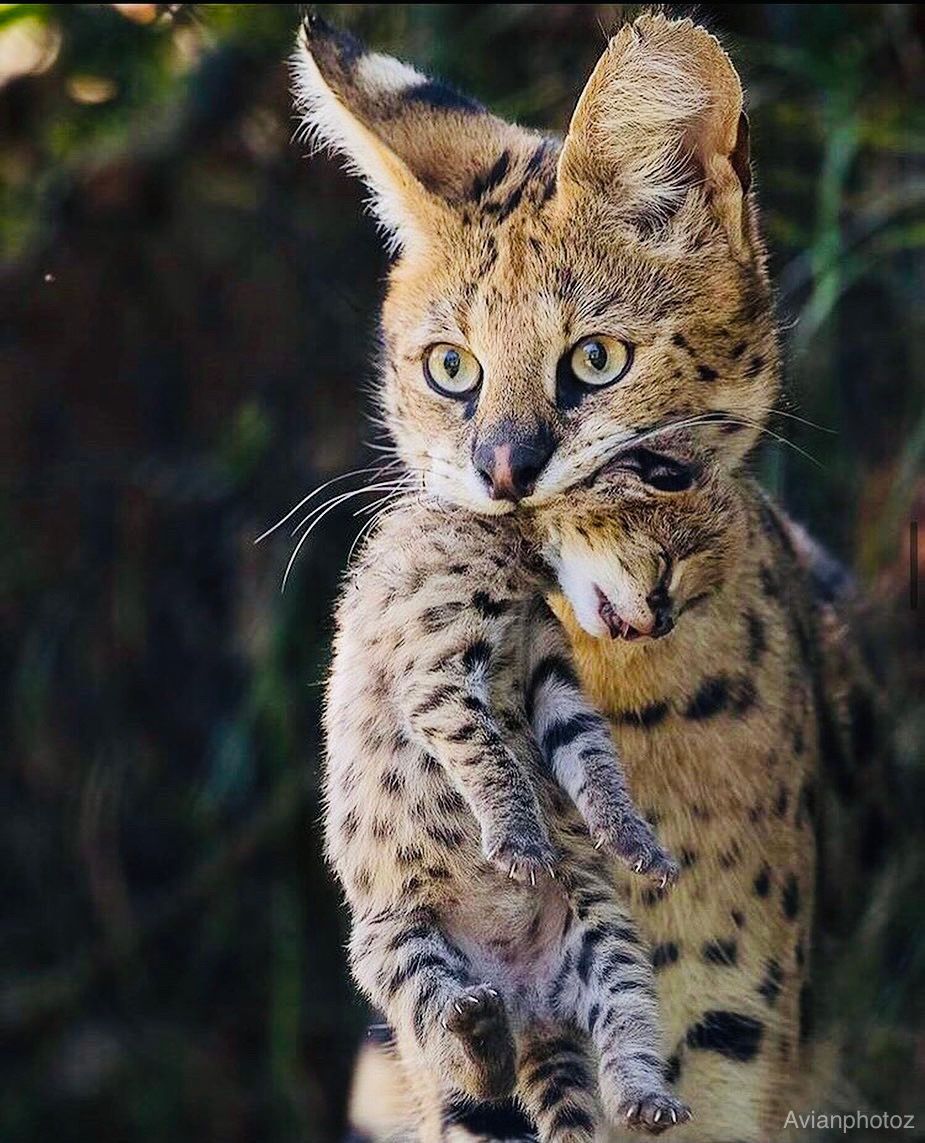 The serval is a small and less frequently seen member of the cat family. Solitary and shy, they are mainly nocturnal hunters, though they may sometimes be spotted in the early morning or late afternoon.