Showing 56 to 60 of 106 blog articles.
Sweden: 622 Bears will be killed in trophy hunting


Unmasking the myth of a civilized country. Cruelty to animals prevails in Sweden.

by Eva Stjernswärd, artist painter and hunting critic
Image: Abraham Hondius, Chasse à l’ours (1683)/Wikimedia commons


Sweden is selling out strictly protected animals like brown bears, lynxes and wolves to brutal trophy hunting. The Swedish Environmental Protection Agency (EPA) give permission to the County Administrative Boards to decide the hunting quota each year. Hunting activists in the Swedish Hunting Association and in the reindeer industry succeed every year lobbying for an increased elimination of endangered predators. Trophy hunting is an act of sanctioned animal cruelty and appeals for protection are constantly denied.
This year’s massacre of 622 bears started 21st of August.  

Sentient beings do suffer  
In 1789: the British philosopher Jeremy Bentham challenged “The question is not Can they reason, nor Can they speak – the question that must be asked is: Can they suffer?”

Barbaric hunting methods, illustrated in baroque art three hundred years ago, correspond to the way predator hunting prevail in Sweden. Today’s hunters subject their dogs as well as the bears to violence. Bears, over-sensitive to heat and stress, are hunted with aggressive hounds from dawn to dusk, during two months, in seven counties. This occurs during the critical period of vital feeding (hyperphagia) for bears to accumulate enough fat to survive the long Scandinavian hibernation of 5-7 months. The stress to find energy food is even greater for

2 / 4
female bears, as they must give birth to the new generation during hibernation and feed their young with high-fat milk.  

Anti-predator rhetoric. The seven northern County Administrative Boards motivates licensed trophy hunting as a remedy to; “alleviate people’s fear of predators”, “reduce illegal hunting and increase confidence in the local management of predators”.  
As illogical as if legalized prostitution would lessen men’s violence against women.

Omen of chaos and death. Hunting inflicts extreme stress, causes PTSD, disrupts feeding, mating and hibernation. This year nearly 25 percent of the bear population of Sweden’s 2900 individuals will be slaughtered and last year more than 500.
What are the psychological, ecological, biological and demographic consequences of such extreme hunting in times of climate change, wild fires, seasonal timing shifts, habitat loss and pollution? This day and age - what does it say about Swedish moral and ethic?  

Sweden entertains a new warrior class. A country that increase animal factory farming, keep up mink farming and supports gamifying violence against wild animals in hunting, is not the model state for animal welfare that some Swedish politicians falsely asserts before the European Union. Wild animals are not protected by the Animal welfare law. Hunting regulations protect hunter’s interests, as to normalize the violence against wild animals; hunting as leisure and sport, population control and wildlife management. This agenda has created a new warrior class: extreme predator hunters with fighting dogs.  
Illegal hunting with sadistic methods is common, but Swedish hunt managers never take into consideration how legal hunting in tandem with poaching afflict animals. In practice, Swedish hunting regulations sanctions legal killing of wild animals basically every day of the year. Day and night depending on the species. Wild animals are forced to live in constant fear of human predators and hunting dogs. Hunters can even train their dogs on live animals. The Hunting Association proudly commercialize Sweden as “the most hunting liberal country” to attract additional 30 000 foreign hunters every year to plunder Nature of her peaceful inhabitants.

The unbearable lightness of killing wild animals for pleasure and sport is a murderous business in Sweden. Semi-automatic weapons and silencers, GPS device and cameras on the dogs, all for a subculture of trophy hunting warlords to develop within the traditional Swedish hunting. Privat events with celebrities test shooting on live animals, are sponsored by exclusive brands from the weapon industry. Commercialized hunting is the obscene business entertained by both private and stately landowners.

Swedish wildlife management is the human-induced Ecology of Fear. The “misogynistic” practice of hunting females and their young or killing young in front of their mothers is a common hunter practice for all sorts of wild species. It is even recommended in protective hunting of lynxes and bears, “to shoot the young before the mother”, by the County Administrative Boards. Against all ethics, the trophy hunt for lynx is shamelessly scheduled during their mating period. Also wolves, foxes, badgers and wolverines and their cubs are persecuted and killed in their dens or resting places. Technically also pregnant females can be killed as hunting seasons have been largely extended. Trapping, snaring and baiting are medieval methods used in “civilized” Sweden as well as attractants to lure animals into death traps or ambush gunning. Animal families are destroyed, their young are abandoned or orphaned, bears and all other animals often suffer painful deaths. None can defend themselves from today’s war on wildlife.


3 / 4
Collateral damage to bears, even if not killed, is openly ignored. Maiming and injuring animals during hunting is belittled and killing bear cubs or yearlings “by mistake” is common. Hunters are never punished: the hunter that injured and shot a bear in the mouth 2020, could boast of finishing off the same bear in 2021.  
Professor Birger Schantz, former veterinary surgeon and expert in studying gun wounds for twenty years, explained: “Nobody can say that a shot animal does not suffer. What we do know is that the nerve system that register pain looks the same in all mammals. A good rule (for understanding) is that what you think hurts on you, also hurts on an animal.”

A mother bear was killed when protecting her cubs from a hunting dog. The moose hunter claimed defense of the dog he had let loose, knowing it was a bears habitat. The cubs hiding up in a tree, as they are taught by their mother, likely starved to death as cubs depend on their mother for at least two years. No legal policy exist to rescue wild animals.

Hunting poison the Circle of Life. An environmental scandal, is the use of 600-700 tons of lead every year for hunting ammunition. Wounded animals and birds from gun shots continue led poisoned but die out of sight: more than sixty percent of wild geese live with led pellets in their bodies and so do many wolves, lynxes and foxes. Hunters are leaving butchery and carcasses everywhere and poisoned birds and scavengers have long been silent victims of this abuse. Birds also mistake lead pellets for grains around feeding places where animals are lured to be shot, often close to or on agricultural soil. The ecological hypocrisy of landowners selling hunt leases.  
Now lead is also found in the blood and milk of Swedish brown bears: ten times higher than the EU threshold value for damage on the human nerve system. The bear cubs are contaminated from birth in their den. This is not mentioned when issuing hunt permits, on the contrary, consumption and commercialization of bear meat and trophies is encouraged by the County Administrative Boards, that also have been caught creating illicit slaughtering sites, violating CITES-rules, to facilitate for hunters to take the trophies in situ.    

Tyranny of the hunting minority (<3% of population). The strategy of institutions that enables wildlife exploitation, the EPA and the County Administrative Boards, is to employ hunters. Hunting has corrupted Swedish wildlife management and politicians to such an extent that the purpose of the Convention on International Trade in Endangered Species (CITES) and the EU species and habitat directive are regularly violated. Sweden blatantly abuses these stringent protection laws by adjusting its own national loopholes and unrestrainedly interpreting the limited hunting exemptions to sustain the trophy hunting industry. Interestingly, the Court of administrative law, for appeals concerning protected predators (Luleå), is geographically placed in the region that houses the highest number of hunters per inhabitant. Could this affect the jurymen?  

A Swedish disgrace. The County Administrative Boards have increased protective hunting each year since 2010. The reindeer industry wins over bears, wolves, lynxes and wolverines as they can be gunned down legally from helicopters and chased with snowmobiles, accused of disturbing reindeer husbandry. In spite of the industry being generously compensated by the state for any loss of reindeers. The hatred of predators in these regions is irreconcilable. A village recently proposed bounty money for killing them.  
In 2017 as many as 71 bears were killed in few spring months. The five tons of bear carcasses where burned and destroyed to the greedy annoyance of hunters. Animals killed in protective hunting could not be kept as trophies before. Reminding corruption, the EPA recently sneaked through a new pro-hunter instruction to please hunters in the North – now they can keep trophies and even take on “hunting guests” for the helihunting.
 

4 / 4
Rotten Santa reside in Sweden. Swedish reindeer meat products from across Lapland have EU’s Protected Designation of Origin status (PDO) and function as a marketing coup for the reindeer meat industry to reach the global food market.
Can export of gourmet food to Europe be considered “environmental friendly” if the value include the killing of protected bears, lynxes, wolves and wolverines? Are the unethical and gruesome handling and slaughter methods of the reindeers not known as are the horrors behind French luxury food foie gras?
Nothing seem to have changed in spite of the investigation and undercover journey to Sweden by British journalist Rich Hardy. In his book “Not As Nature intended”, the chapter “Last Christmas” describe the methods of handling, transporting and killing reindeer. A scary nightmare far from the nomadic sami culture that once existed. Hardy writes “…the tens of thousands of reindeer are herded (with helicopters and snowmobiles) and trucked to commercial slaughterhouses to meet a demise that is anything but traditional.”

What if our children would understand the bloody nightmare of real Rudolph the Red-Nosed Reindeer – and for all the “Teddy-Bears” killed in this instant all over Sweden?

The intricate Web of Life has never been more fragile. The decline of wildlife worldwide and above all - the suffering caused by humans to non-human animals every second - how can nations like Sweden pretend to be civilized when nurturing a shady business like trophy hunting? How can Sweden trivialize cruel hunting for self-gratification, when this clearly exposes a sadistic side of man against the innocent. Hunting is about cruelty and killing for fun is an addiction.  

Barbarians in Sweden exposed.
The time will come when the mere pleasure of killing will die out in man. As long as it is there, man has no claim to call himself civilized, he is a mere barbarian.” (Swedish writer Axel Munthe, 1929) Citations from journalist Eduardo Gonçalves book Trophy Hunters exposed: “It is time for a new contract with nature. Society has banned many forms of animal cruelty and blood-sports such as bear baiting and dogfighting. However trophy hunting has so far escaped. The unbridled human supremacy within the natural world must be discarded, for all our sakes”.  

There it is! The great Counter Force of Protectors, on the rise thanks to intelligent and compassionate journalists, scientists, writers, activists and hard working animal defenders together with all humans who understand that we share the fear of pain and the fear of death with all beings. 

  3 years ago
Major Routes for Illegal Wildlife Trade


Major Routes for Illegal Wildlife Trade

The illegal wildlife trade is a complex and pervasive issue that spans across continents, often exploiting vulnerable ecosystems and endangered species. Major routes for this illicit trade are established based on demand, availability of species, and the effectiveness of law enforcement in various regions. Key areas of focus include Africa and Asia, where rich biodiversity often coexists with political and economic instability. The routes typically emerge from regions abundant in specific wildlife, such as elephants and rhinos in Africa or tigers and pangolins in Asia, moving through various countries before reaching ultimate consumers in wealthier nations.

One of the most notorious routes for illegal wildlife trafficking starts in Central and East Africa, where poachers target iconic species like elephants for their ivory and rhinos for their horns. From countries like Tanzania, Kenya, and the Democratic Republic of Congo, traffickers often transport contraband through ports such as Mombasa, using shipping containers to disguise their illicit cargo. These routes are further complicated by corruption and inadequate enforcement, allowing traffickers to operate with relative impunity. The ivory trade, in particular, has seen a significant increase in demand from Asian markets, making Africa a focal point for poaching and trafficking activities.

In Asia, the illegal wildlife trade is heavily driven by traditional medicine markets and exotic pet industries. Countries like Vietnam and China serve as major destinations for wildlife products, including tiger bones and bear bile. The trade often utilizes overland routes through countries like Laos and Cambodia, where borders are less monitored, facilitating the movement of trafficked goods. Wildlife traffickers frequently exploit the porous nature of these borders to evade detection, taking advantage of local economies and sometimes involving local communities in the trade, whether willingly or through coercion.

The consequences of these trafficking routes extend beyond the immediate loss of biodiversity. The illegal wildlife trade threatens entire ecosystems, disrupts local communities, and undermines conservation efforts. As species populations dwindle, the ecological balance is disturbed, leading to unforeseen consequences such as habitat degradation and the collapse of local fauna and flora. Furthermore, the financial gains from wildlife crime often fund other criminal activities, including drug trafficking and arms smuggling, creating a broader network of organized crime that poses significant challenges to law enforcement agencies worldwide.

Efforts to combat these major routes for illegal wildlife trade have seen varying degrees of success. International cooperation, such as the implementation of the Convention on International Trade in Endangered Species of Wild Fauna and Flora (CITES), has been instrumental in regulating trade and enhancing enforcement. Successful prosecutions in high-profile cases send a strong message, but consistent follow-through is crucial. Community involvement is also vital, as local populations often hold the key to sustainable conservation practices. By educating and empowering these communities, the push against wildlife crime can become a collective effort, fostering a greater appreciation for biodiversity and a commitment to protecting it for future generations.

Identification of Hotspot Regions

The identification of hotspot regions for wildlife crime is crucial in developing effective strategies to combat poaching and the illegal wildlife trade. These hotspots are often characterized by a combination of high biodiversity and significant threats, including economic instability, weak governance, and inadequate law enforcement. Regions such as Southeast Asia, Central Africa, and parts of Latin America have been identified as critical areas where wildlife crime flourishes. In these areas, the intersection of poverty, corruption, and demand for wildlife products creates an environment where illegal activities are prevalent.

In Southeast Asia, countries like Vietnam and Thailand have emerged as major transit points for illegal wildlife trafficking. The demand for tiger parts, pangolin scales, and exotic birds drives poachers to exploit these regions. Furthermore, the porous borders and limited enforcement capabilities allow traffickers to operate with relative impunity. Identifying these hotspots requires collaboration between local governments, conservation organizations, and international bodies to gather data on wildlife population trends, poaching incidents, and trafficking routes.

Central Africa faces unique challenges, as it is home to some of the world's most endangered species, including elephants and rhinos. The illegal ivory trade has decimated elephant populations in countries like Gabon and the Republic of Congo. Conflict and instability in the region further complicate conservation efforts, making it essential to pinpoint areas where poaching is most rampant. By employing satellite imagery, wildlife monitoring technologies, and community reporting systems, conservationists can track poaching activities and develop targeted interventions.

In Latin America, the illegal trade of wildlife, particularly in the Amazon rainforest, poses a significant threat to biodiversity. Species such as macaws, tortoises, and various reptiles are heavily trafficked, often leading to population declines and ecosystem disruption. Identifying these hotspot regions involves understanding the socio-economic factors at play, including deforestation, agricultural expansion, and the role of organized crime in wildlife trafficking. Collaborating with local communities to raise awareness and promote sustainable practices can help mitigate these threats.

Effective identification of wildlife crime hotspots not only aids in resource allocation for enforcement but also informs global conservation strategies. By understanding the specific dynamics of each region, stakeholders can create tailored approaches that address the root causes of wildlife crime. This may involve strengthening local laws, improving community involvement in conservation efforts, and enhancing international cooperation to dismantle trafficking networks. Ultimately, a comprehensive understanding of hotspot regions is essential in the ongoing fight against wildlife crime, ensuring the protection of endangered species and the preservation of biodiversity for future generations.

Be sure to visit Mojostreaming.com and https://mojostreamingwildlife.com/

MojoStreaming Ltd

Cami Ciotta

producer@wildlifecrimeseries.com

Project in development: "Wild Justice" TV Series on Wildlife Crime

  1 year ago
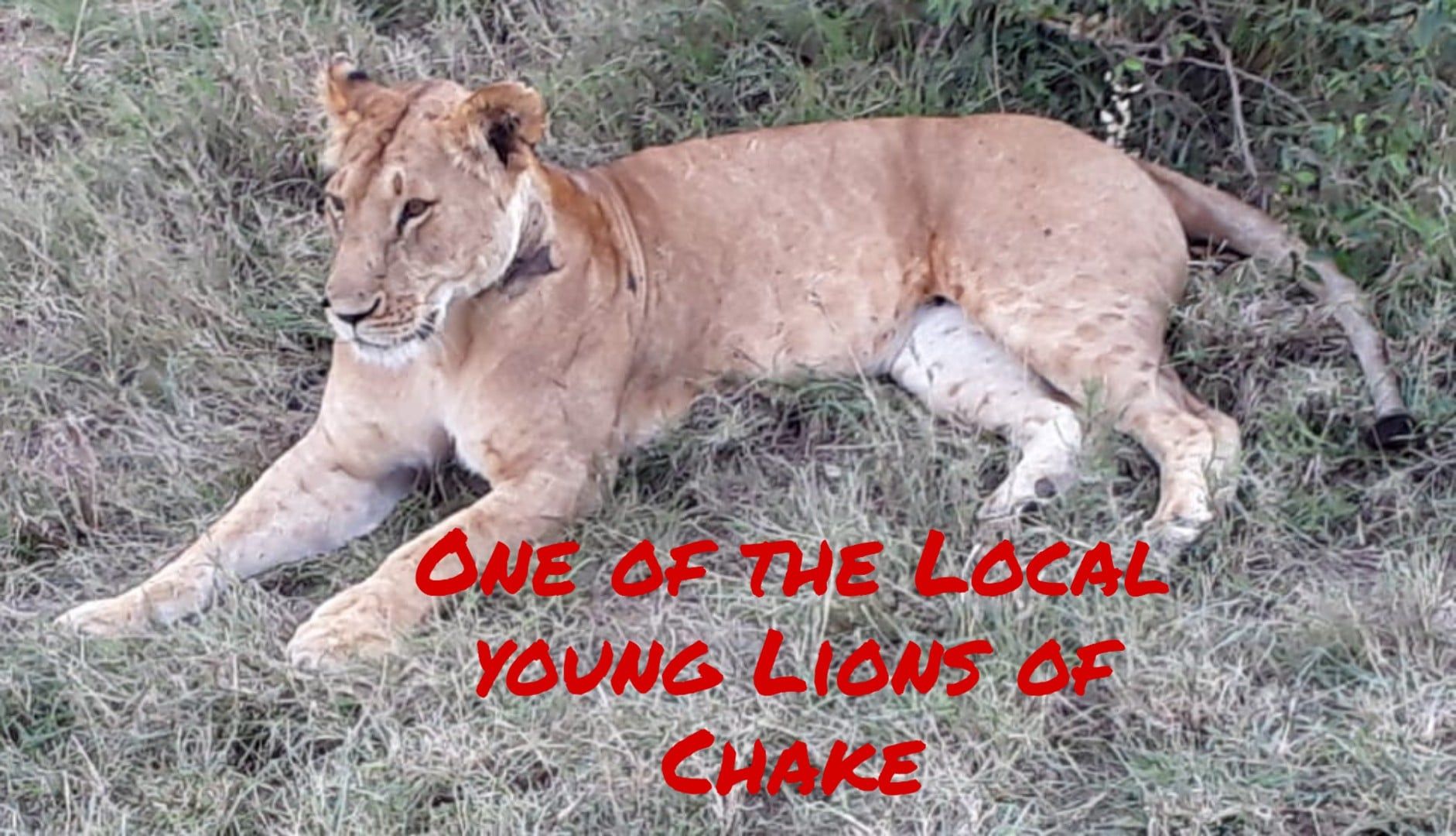
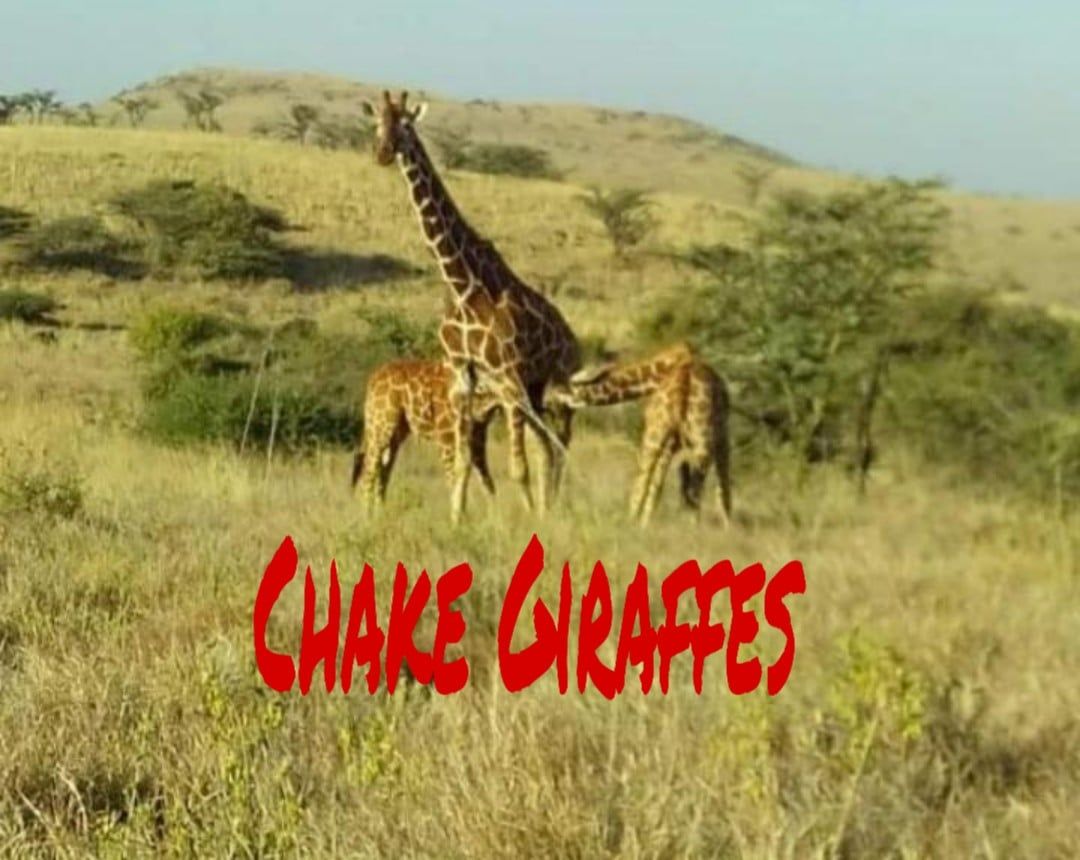
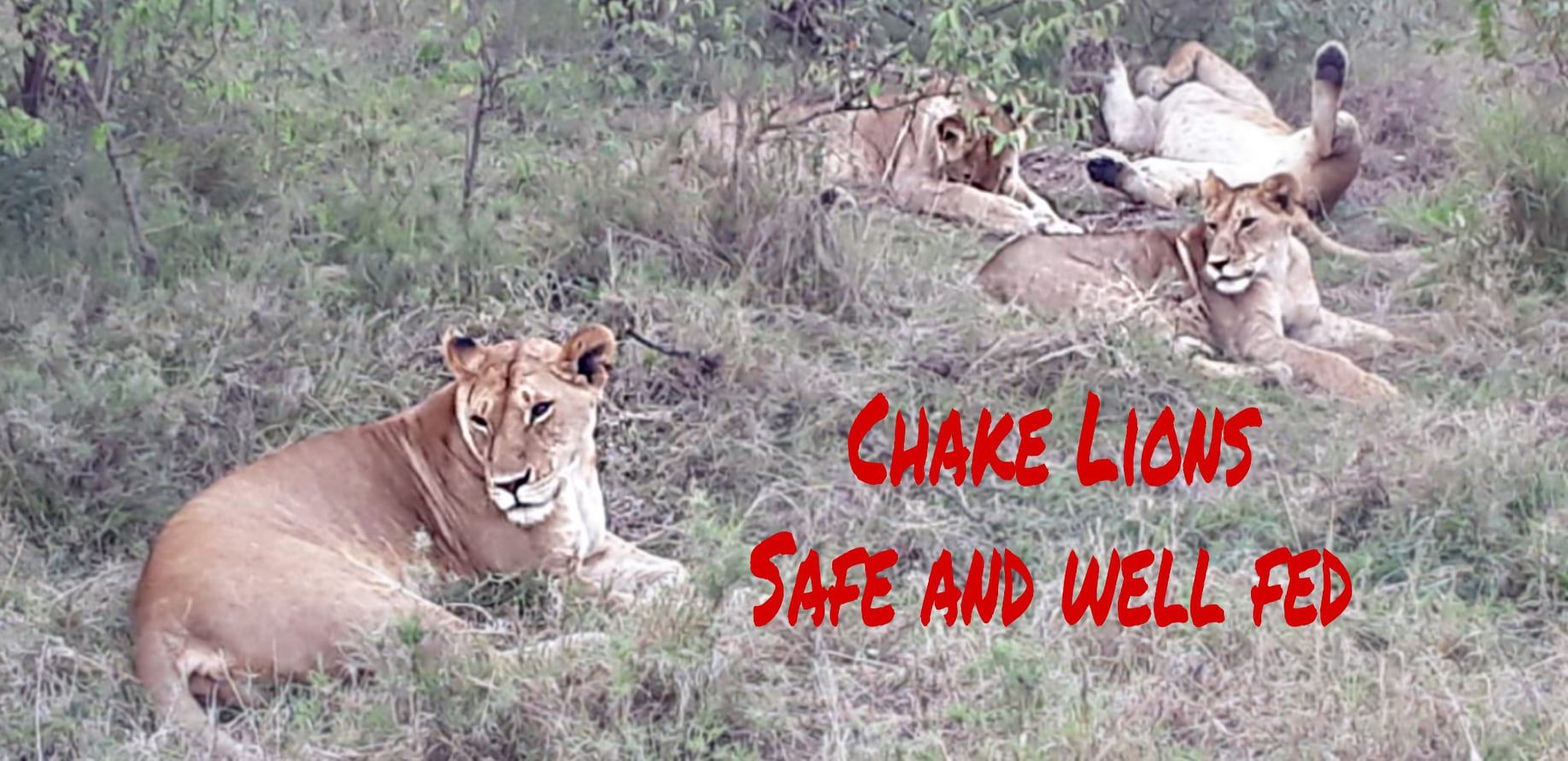
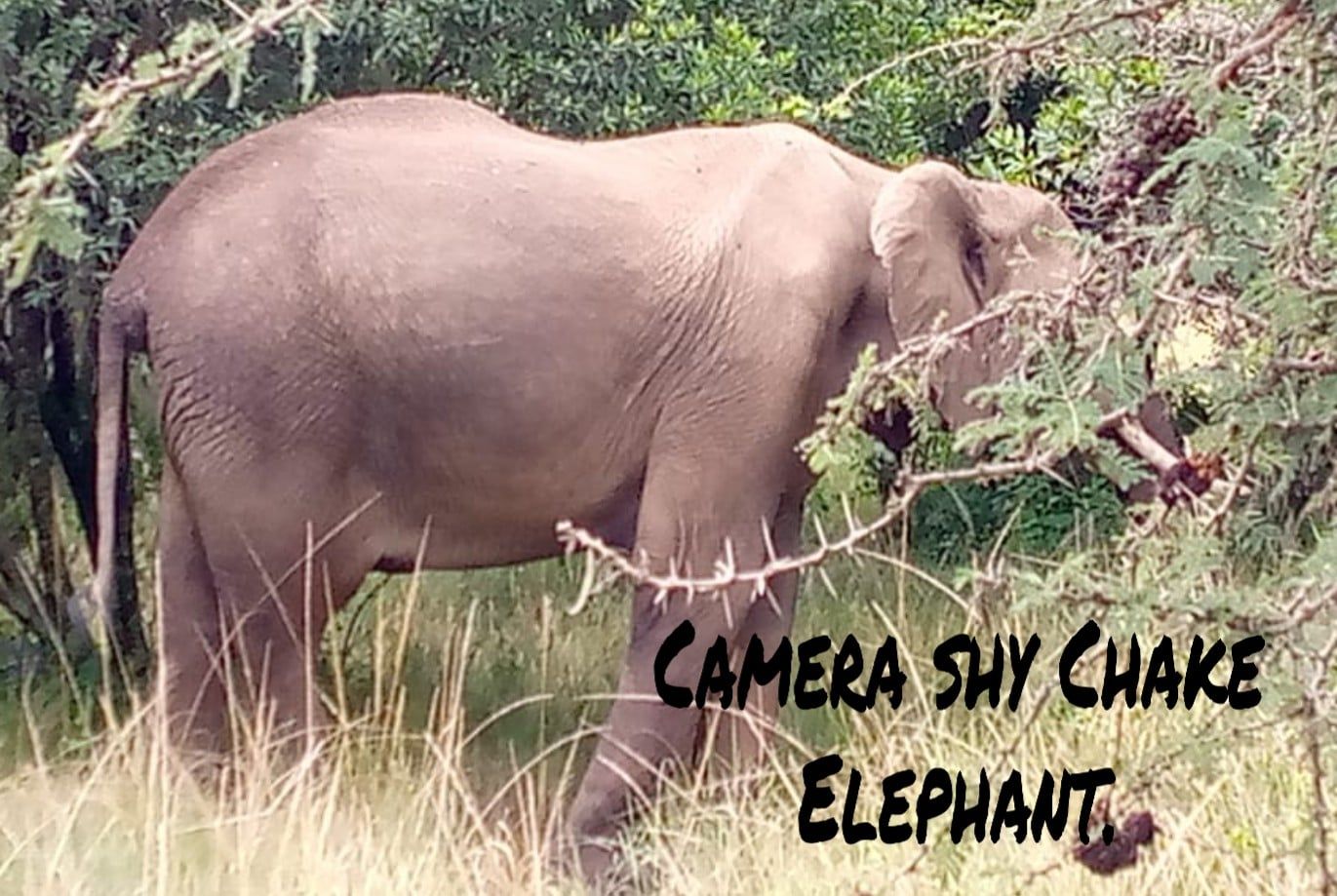
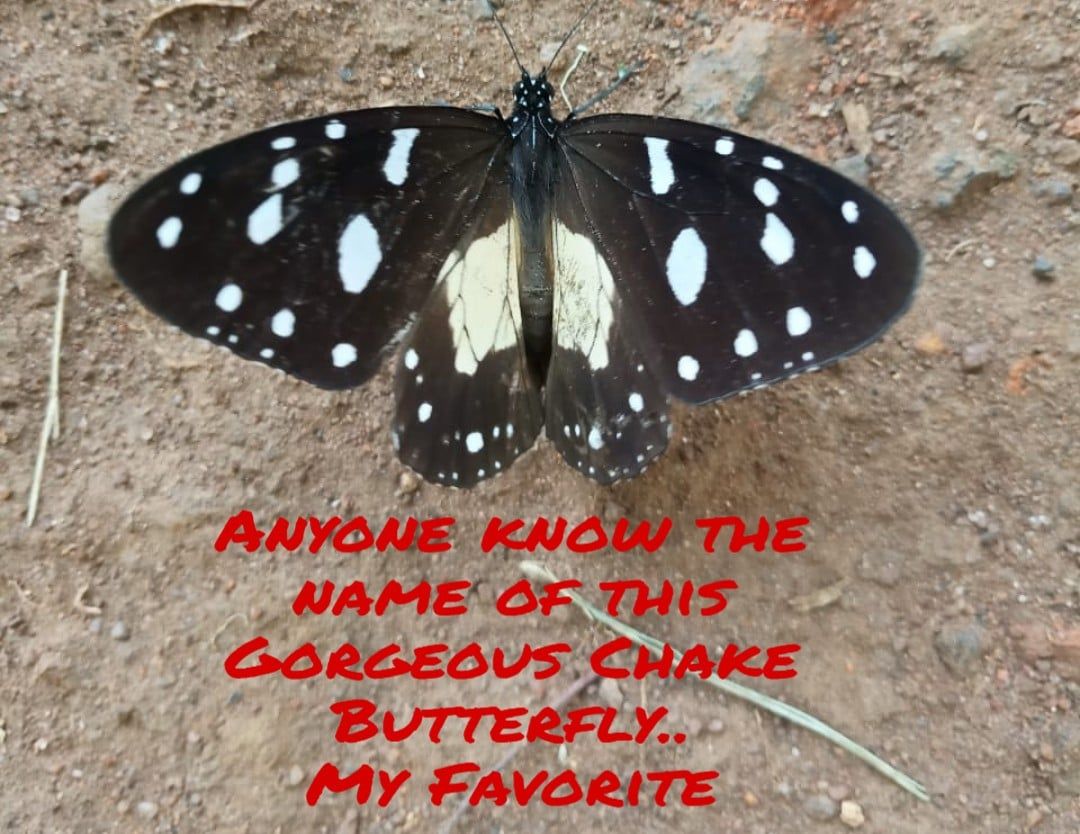
Chake Conservancy Masai Mara - Mr Charles Kinara

Chake Conservancy Masai Mara is proud to announce our Founder has been awarded his Honorary Warden status by the Cabinet Secretary of The Ministry of Environment Kenya. For the Greater Rift Valley...
This has come after many years of hard work and of course like everything is without remuneration. It is a long process to get awarded this and we are extremely Proud of you Our Founder and Father of Chake!
For those of you new to Conservancy Laws this is just shortened lists of some of the responsibilities which you are now able to be Lawfully Acting on....
For one to be considered for appointment as an Honorary Warden,
Must be resident within the Conservation Area in which they
are applying for Honorary Wardenship;
May have served or be serving in any capacity in a conservation
related organization;
Must be active in conservation initiatives within their area;
Must demonstrate the nature of assistance they shall give in carrying into effect the provisions of the Act.Honorary Wardens shall have countrywide deployment. Without prejudice to the generality of the forgoing, Honorary Wardens shall be appointed to carry out functions within the following areas of specialization –
Community wildlife service
Tourism;
Security
Problem animal management;
Resource mobilization;
Research;
Veterinary services;
Ornithology;
Education;
Piloting
Fundraising for wildlife conservation;
Fire management in protected areas;
Giving advice on policy formulation;
Wildlife translocation;
Wildlife census;
Species and ecosystem monitoring
Wildlife utilization management;
Wildlife veterinary practice;
Attending meetings, conferences, workshops and Report any criminal activity to the local Warden;
In the absence of any member of the Service on the ground,
take immediate action in case of any emergency;
Deliver any trophies recovered to the local Warden
Use a firearm for problem animal management
Notwithstanding the provisions of Clause 31(1) above, an
Honorary Warden may use his firearm for protection of human life and property under Section 30 and 31 of the Act without being
accompanied by members of the Service, where there is immediate
danger........
Asante Sana, Dankie, Thank you to all members for your continued support and donations!
Chake wishes you love, peace and health and happiness and hope to welcome you to Kenya soon!
Donate direct towards Tree planting and Animal and Community Protection and Snare removal
see our website for more about each of us.

https://chakeconservancy.org

  5 years ago
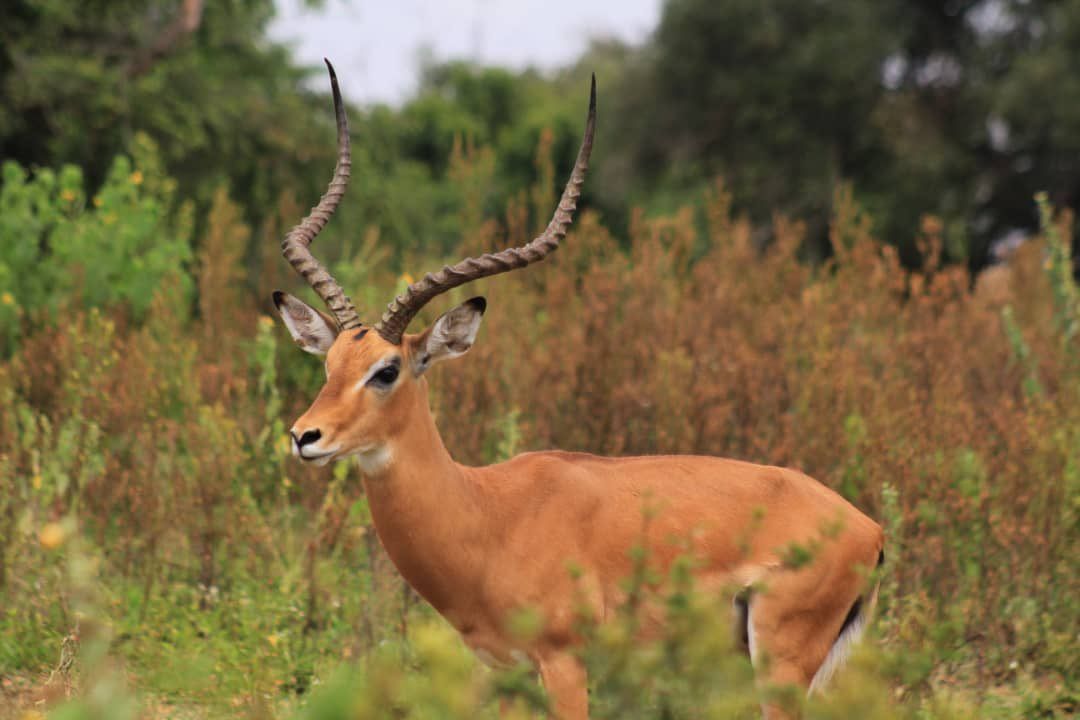
Kobus kob thomasi

The Ugandan kob (Kobus kob thomasi), male,Queen Elizabeth NP, Uganda, 2016.

The Ugandan kob is a subspecies of the kob, a type of antelope. Only the males have horns, which are lyre-shaped, strongly ridged and divergent.

Males are slightly larger than females, being 90 to 100 cm (3.0 to 3.3 ft) at the shoulder, with an average weight of 94 kg (207 lb), while females are 82 to 92 cm (2.7 to 3.0 ft) at the shoulder and on average weigh about 63 kg (139 lb). Apart from the throat patch, muzzle, eye-ring and inner ear, which are white, the coat is golden to reddish-brown, the color differentiating it from other kob subspecies. The belly and inside of the legs are white, and the front of the forelegs are black.

It is typically found in open or wooded savanna, within a reasonable distance of water, and it also occurs in grasslands near rivers and lakes.

Ugandan kobs are herbivores and feed largely on grasses and reeds.

The females and young males form loose groups of varying size which range according to food availability, often moving along watercourses and grazing in valley bottoms. Sometimes non-breeding males form their own groups. Ugandan kobs usually have a lek mating system, in which males defend small territories clustered on traditional mating grounds. Females visit these leks only to breed, and males provide no parental care. Each lek is associated with a female herd of about 100 individuals. Females begin to mate at the age of one, but males must normally wait for several more years. A single calf is born in November or December, after a gestation period of about nine months.

Ugandan kob appears on the coat of arms of Uganda. #Godfreytheguide #Uganda #Animals #Antelope.

www.interiorsafarisea.com

  4 years ago
Know About Wildlife - Animals From "A" to "Z"

Hey Mojo kids! Ready for an exciting adventure by going on a safari to see the most extraordinary animals living in the wild? Then order the amazing children's book "Know About Wildlife - Animals From A to Z" coming soon to Amazon! Once you embark on this great adventure, you will not want to stop until you have seen every single Animal from "A" to "Z" to learn more about the amazing creatures we share our world with!

Mojo Parents and Grandparents, reading this book with your children or grandchildren will be a great opportunity to not only bond and spend quality time with them, but it will teach them, and spark their curiosity, about all of the unique and interesting animals living in the wild. As future custodians of our planet, they will have a greater understanding and appreciation for these animals and they will be more inclined to preserve and to protect these wonderful creatures!

Please note that the author, Munir Noorbhai, will donate a portion of the proceeds from the sale of each and every book to help our team at MojoStreaming with our wildlife awareness and advocacy efforts! Please support our efforts by getting this book, which is now available for pre-order, by clicking the link below!

Know About Wildlife - Animals From "A" to "Z"

Thanks!

The Mojo Team!

  1 year ago