Showing 61 to 65 of 106 blog articles.
INDIVIDUAL INVOLVEMENT EPISODE3


In this 3rd episode which is the last of my intended sharing is that I have total confidence and belief that we  the young generation have  the best chance as we have to change the way our people and the rest of the continent talks about and perceives conservation. We the now generation, are the best chance we have to ensure Africa and all its inhabitants animals,human or otherwise have a future. Can you imagine, the  impact Kwame Nkuruma, Patrice Lumumba , Nelson Mandela and other renowned young Pan African leaders would have generated, if they had WhatsApp, Facebook, Twitter or Instagram? They were also young when they started their struggle for independence . Today’s young people is perhaps facing an even bigger challenge than the past generation were but we also have more power.


If there is one thing that I hope that the COVID-19 pandemic can teach us all, it is that the health of humans is one and the same as the health of nature and wildlife. When this pandemic is finally over, we cannot surely afford to return to “normal” and continue ignoring the destruction we have been causing in the name of development. And this is entirely up to the African youth, mojo live-streaming and the rest of the world to keep us all on the right path.

  4 years ago
Understanding Wildlife Crime

Definition and Scope of Wildlife Crime

Wildlife crime encompasses a range of illegal activities that threaten the survival of animal and plant species worldwide. At its core, it includes poaching, the illegal hunting or capturing of wildlife, and the illicit trade of their products. This crime not only targets endangered species but also affects ecosystems and biodiversity as a whole. Understanding the definition and scope of wildlife crime is crucial for nature lovers and activists who seek to protect the delicate balance of our natural world. The severity of wildlife crime is underscored by its connection to organized crime syndicates, which operate across borders, making it a global concern that transcends local and national jurisdictions.

Poaching poses one of the most significant threats to wildlife, particularly for endangered species like elephants, rhinos, and tigers. These animals are often hunted for their ivory, horns, or skins, which are sold for high prices in illegal markets. The demand for these products fuels a cycle of violence and destruction, as poachers often use sophisticated techniques and equipment to carry out their activities. The impact of poaching extends beyond the immediate loss of individual animals; it can destabilize entire ecosystems and disrupt food chains, leading to broader ecological repercussions. For wildlife enthusiasts, recognizing the signs of poaching and its consequences is essential for advocacy and conservation efforts.

Illegal wildlife trade networks operate on a global scale, facilitating the movement of poached animals and their parts. These networks exploit weaknesses in legal frameworks and enforcement mechanisms, often involving corrupt officials and dangerous criminal organizations. The trade in wildlife is not limited to charismatic megafauna; it also includes a wide range of species, from reptiles and birds to plants. The complexity of these networks makes it challenging for law enforcement agencies to combat wildlife crime effectively. Awareness of the intricacies of these trade routes is vital for activists who wish to dismantle such operations and promote sustainable practices.

The impact of wildlife crime on biodiversity cannot be overstated. As species are driven to extinction, the natural balance of ecosystems is disrupted, affecting not only wildlife but also human communities that rely on these ecosystems for their livelihoods. The loss of biodiversity can lead to diminished natural resources, increased human-wildlife conflicts, and reduced resilience to environmental changes. For nature lovers, the health of ecosystems is intertwined with their passion for wildlife, making it imperative to address the underlying causes of wildlife crime and advocate for stronger protections for both animals and their habitats.

Legislation and enforcement play critical roles in the fight against wildlife crime. Many countries have implemented laws aimed at protecting endangered species and regulating wildlife trade. However, the effectiveness of these laws often hinges on enforcement capabilities and international cooperation. Successful prosecutions of wildlife crime serve as powerful case studies that highlight the importance of accountability in deterring illegal activities. Engaging local communities in conservation efforts is another key strategy to combat wildlife crime, as these communities can be both victims and protectors of wildlife. By fostering a sense of stewardship and providing economic alternatives, it is possible to build a more sustainable future for both wildlife and people.

Historical Context and Evolution

Understanding the historical context of wildlife crime is essential to grasp the significant challenges faced in the global fight against this pressing issue. For centuries, humans have exploited wildlife for various purposes, ranging from sustenance to ornamentation. The rise of the industrial age marked a pivotal moment, as demand surged for animal products like ivory, fur, and exotic pets. This exploitation was often fueled by colonial expansion, where resources were extracted with little regard for ecological consequences. As a result, many species faced severe population declines, prompting early conservation efforts in the late 19th and early 20th centuries, which laid the groundwork for modern wildlife protection laws.

As the 20th century progressed, wildlife crime evolved alongside changes in technology and commerce. The advent of global trade agreements and advancements in transportation made it easier for illegal wildlife products to cross borders. Organized crime syndicates began to recognize the lucrative potential of wildlife trafficking, leading to a dramatic increase in poaching, particularly of endangered species. Iconic animals like elephants and rhinoceroses became prime targets due to the high value of their tusks and horns. The illegal wildlife trade transformed from opportunistic poaching into a sophisticated, multi-billion-dollar industry, with complex networks operating across continents.

The impact of wildlife crime on biodiversity cannot be overstated. As species are driven to extinction due to poaching and habitat destruction, the ecological balance is disrupted, affecting entire ecosystems. This loss of biodiversity has far-reaching implications, from diminishing resilience against climate change to disrupting food webs. The decline of keystone species can trigger cascading effects, leading to the deterioration of habitats and the extinction of other flora and fauna. Recognizing these consequences has led to increased advocacy for stronger wildlife protection measures and greater awareness of the interconnectedness of species and ecosystems.

In response to the growing crisis, legislative frameworks have emerged to combat wildlife crime. International agreements such as the Convention on International Trade in Endangered Species of Wild Fauna and Flora (CITES) aim to regulate and monitor the trade of endangered species. Countries have also enacted national laws to strengthen enforcement against poaching and trafficking. Successful prosecutions of high-profile wildlife crime cases serve as pivotal moments that not only bring justice but also raise public awareness. These cases illustrate the importance of collaboration among governments, NGOs, and local communities in the fight against wildlife crime.

Community involvement has emerged as a critical component in the fight against wildlife crime. Local populations are often on the front lines, witnessing the effects of poaching and habitat loss firsthand. Empowering communities through education, alternative livelihoods, and participatory conservation initiatives has proven effective in reducing reliance on illegal wildlife trade. By fostering a sense of stewardship for local wildlife, communities can play a vital role in protecting their natural heritage. Additionally, understanding wildlife trafficking routes and hotspots is essential for targeted enforcement efforts, as these areas often indicate higher levels of illegal activity. Engaging local stakeholders in these efforts not only aids in conservation but also promotes sustainable development, aligning the interests of both wildlife and people.


Cami Ciotta

MojoStreaming

Creator of an upcoming TV Series on Wildlife Crime - If you would like to learn more contact Cami at producer@wildlifecrimeseries.com

  1 year ago
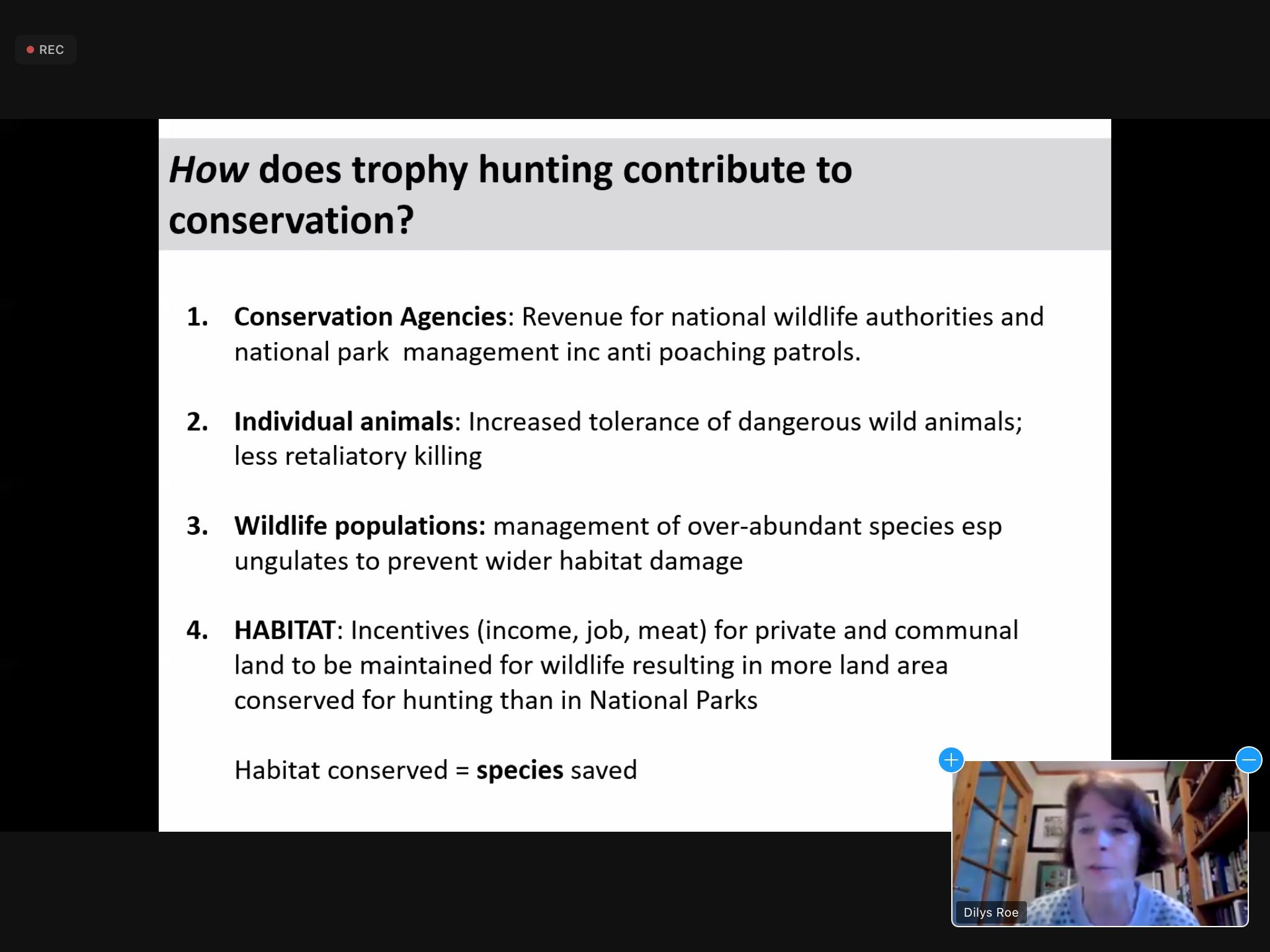
TROPHY HUNTING

www.interiorsafarisea.com Did you know that Between 2014 and 2020, trophies of 5,409 animals of internationally protected species were imported into Germany, including 194 leopards, 208 brown bears, 166 hippos 229 elephants, 138 lions, nine polar bears and two black rhinos. Many of these animals were killed because of the hunts sold at hunting fairs.


As from 24th-29 January,2023 Europe’s largest hunting fair has been taking place in Dortmund, Germany. Over 80 national and international exhibitors from Canada, Argentina, Namibia, South Africa, Germany, Spain, Poland and others, are in attendance, offering trophy hunting trips, that cost between a few hundred and tens of thousands of euros, around the world to kill elephants, big cats, rhinos, polar bears and numerous other iconic species.


Trophy hunting is a form of entertainment rooted in wealth and pageantry that results in both severe cases of animal harm and far reaching damaging biological and ecological impacts. Yet, more than 120,000 animals are killed in Africa each year by big game hunters. The European Union is the second largest importer of hunting trophies from internationally protected species, behind the United States.  Germany is by far the greatest importer within the European Union. 

  2 years ago
Major Routes for Illegal Wildlife Trade


Major Routes for Illegal Wildlife Trade

The illegal wildlife trade is a complex and pervasive issue that spans across continents, often exploiting vulnerable ecosystems and endangered species. Major routes for this illicit trade are established based on demand, availability of species, and the effectiveness of law enforcement in various regions. Key areas of focus include Africa and Asia, where rich biodiversity often coexists with political and economic instability. The routes typically emerge from regions abundant in specific wildlife, such as elephants and rhinos in Africa or tigers and pangolins in Asia, moving through various countries before reaching ultimate consumers in wealthier nations.

One of the most notorious routes for illegal wildlife trafficking starts in Central and East Africa, where poachers target iconic species like elephants for their ivory and rhinos for their horns. From countries like Tanzania, Kenya, and the Democratic Republic of Congo, traffickers often transport contraband through ports such as Mombasa, using shipping containers to disguise their illicit cargo. These routes are further complicated by corruption and inadequate enforcement, allowing traffickers to operate with relative impunity. The ivory trade, in particular, has seen a significant increase in demand from Asian markets, making Africa a focal point for poaching and trafficking activities.

In Asia, the illegal wildlife trade is heavily driven by traditional medicine markets and exotic pet industries. Countries like Vietnam and China serve as major destinations for wildlife products, including tiger bones and bear bile. The trade often utilizes overland routes through countries like Laos and Cambodia, where borders are less monitored, facilitating the movement of trafficked goods. Wildlife traffickers frequently exploit the porous nature of these borders to evade detection, taking advantage of local economies and sometimes involving local communities in the trade, whether willingly or through coercion.

The consequences of these trafficking routes extend beyond the immediate loss of biodiversity. The illegal wildlife trade threatens entire ecosystems, disrupts local communities, and undermines conservation efforts. As species populations dwindle, the ecological balance is disturbed, leading to unforeseen consequences such as habitat degradation and the collapse of local fauna and flora. Furthermore, the financial gains from wildlife crime often fund other criminal activities, including drug trafficking and arms smuggling, creating a broader network of organized crime that poses significant challenges to law enforcement agencies worldwide.

Efforts to combat these major routes for illegal wildlife trade have seen varying degrees of success. International cooperation, such as the implementation of the Convention on International Trade in Endangered Species of Wild Fauna and Flora (CITES), has been instrumental in regulating trade and enhancing enforcement. Successful prosecutions in high-profile cases send a strong message, but consistent follow-through is crucial. Community involvement is also vital, as local populations often hold the key to sustainable conservation practices. By educating and empowering these communities, the push against wildlife crime can become a collective effort, fostering a greater appreciation for biodiversity and a commitment to protecting it for future generations.

Identification of Hotspot Regions

The identification of hotspot regions for wildlife crime is crucial in developing effective strategies to combat poaching and the illegal wildlife trade. These hotspots are often characterized by a combination of high biodiversity and significant threats, including economic instability, weak governance, and inadequate law enforcement. Regions such as Southeast Asia, Central Africa, and parts of Latin America have been identified as critical areas where wildlife crime flourishes. In these areas, the intersection of poverty, corruption, and demand for wildlife products creates an environment where illegal activities are prevalent.

In Southeast Asia, countries like Vietnam and Thailand have emerged as major transit points for illegal wildlife trafficking. The demand for tiger parts, pangolin scales, and exotic birds drives poachers to exploit these regions. Furthermore, the porous borders and limited enforcement capabilities allow traffickers to operate with relative impunity. Identifying these hotspots requires collaboration between local governments, conservation organizations, and international bodies to gather data on wildlife population trends, poaching incidents, and trafficking routes.

Central Africa faces unique challenges, as it is home to some of the world's most endangered species, including elephants and rhinos. The illegal ivory trade has decimated elephant populations in countries like Gabon and the Republic of Congo. Conflict and instability in the region further complicate conservation efforts, making it essential to pinpoint areas where poaching is most rampant. By employing satellite imagery, wildlife monitoring technologies, and community reporting systems, conservationists can track poaching activities and develop targeted interventions.

In Latin America, the illegal trade of wildlife, particularly in the Amazon rainforest, poses a significant threat to biodiversity. Species such as macaws, tortoises, and various reptiles are heavily trafficked, often leading to population declines and ecosystem disruption. Identifying these hotspot regions involves understanding the socio-economic factors at play, including deforestation, agricultural expansion, and the role of organized crime in wildlife trafficking. Collaborating with local communities to raise awareness and promote sustainable practices can help mitigate these threats.

Effective identification of wildlife crime hotspots not only aids in resource allocation for enforcement but also informs global conservation strategies. By understanding the specific dynamics of each region, stakeholders can create tailored approaches that address the root causes of wildlife crime. This may involve strengthening local laws, improving community involvement in conservation efforts, and enhancing international cooperation to dismantle trafficking networks. Ultimately, a comprehensive understanding of hotspot regions is essential in the ongoing fight against wildlife crime, ensuring the protection of endangered species and the preservation of biodiversity for future generations.

Be sure to visit Mojostreaming.com and https://mojostreamingwildlife.com/

MojoStreaming Ltd

Cami Ciotta

producer@wildlifecrimeseries.com

Project in development: "Wild Justice" TV Series on Wildlife Crime

  1 year ago
Free Seminar featuring Dr. Pieter Kat. Canned Lion Hunting and the residual fall out

Sign up for a free account with MojoStreaming and get free entrance to this Live - Streamed event.

Thursday March 25th 2021 at 2PM Eastern Standard Time, 6PM Greenwich Mean Time.

First 70 people to sign up will be admitted to the event

  4 years ago